Before you spiral down another health headline rabbit hole, take a breath.
Yes, there are legitimate concerns about water quality.
No, panic is not the solution.
Because water is not just hydration. It is one of the most consistent inputs into your body.
And small improvements here compound.
What the Latest Conversations Are Actually Saying
You may have seen headlines about bottled water containing contaminants like microplastics or even trace heavy metals.
Bottled water has long been marketed as a cleaner alternative, but recent findings suggest that some brands may not always meet those expectations. Microplastics that may accumulate in the body trigger concerns about arsenic in certain cases.
Let’s ground this.
This is not new information.
And it is not a reason to panic.
It is a reason to be intentional.
The Truth Without the Hype
Here’s where people get tripped up.
There is a cycle:
- New study comes out
- Headlines amplify it
- People panic
- People tune out
That last step is dangerous.
Because just because something is overhyped does not mean it is false.
Microplastics and contaminants in water are being actively studied.
For example:
- A 2018 study in Frontiers in Chemistry found microplastics in over 90% of tested bottled water samples (Mason et al., 2018)
- Research in Environmental Health Perspectives links long-term arsenic exposure to increased risk of chronic disease (Naujokas et al., 2013)
These are not fringe findings.
But topic exhaustion does not mean every sip of water is harming you.
Why This Matters Over Time 🧠
The real issue is not a single exposure.
It is accumulation.
Your body is constantly processing:
- Water
- Food
- Air
- Environmental inputs
When small amounts of contaminants are introduced consistently over years, they can contribute to:
- Increased oxidative stress
- Hormonal disruption
- Burden on detoxification systems
Microplastics, in particular, are being studied for their potential to interact with endocrine function and inflammation pathways.
The research is still evolving.
But the direction is clear enough to act intelligently.
The Bigger Picture: Water Is Foundational
At ImmerHealth, we root things in facts, not hype cycles, and return to the same principle again and again:
👉 The quality of your inputs determines the quality of your outputs.
Water impacts:
- Cognitive clarity
- Cellular energy
- Digestion
- Detoxification
Even mild dehydration has been shown to impair mood and cognitive performance (Ganio et al., 2011, Journal of Nutrition).
Now layer in water quality.
It matters.
👉 Start here if you haven’t already
Bottled vs Tap: The Wrong Question
Most people ask:
“Is bottled water better than tap?”
That is the wrong question.
The better question is:
👉 “What is the cleanest, most consistent water source I can control?”
Because:
- Bottled water can contain microplastics (plus, did you know the average bottle of water has been in that bottle for 2+ years?!)
- Tap water can contain chlorine byproducts, heavy metals, and residues
- Both vary widely by location and brand
There is no universal “safe” category.
There are better and worse systems.
A Smarter Approach (Without Fear)
Let’s keep this practical.
You do not need to:
- Obsess over every contaminant
- Eliminate all exposure overnight
- Panic about what you drank last week
You do need to:
✔ Improve your daily baseline
✔ Reduce unnecessary exposure
✔ Make better long-term choices
That is how real health is built.
5 Practical Ways to Upgrade Your Water Right Now 💧
1. Filter Your Water Properly
Not all filters are equal.
Many basic filters:
- Improve taste
- Remove some chlorine
But do not address:
- Heavy metals
- Microcontaminants
- Industrial residues
This is where a higher-quality system matters.
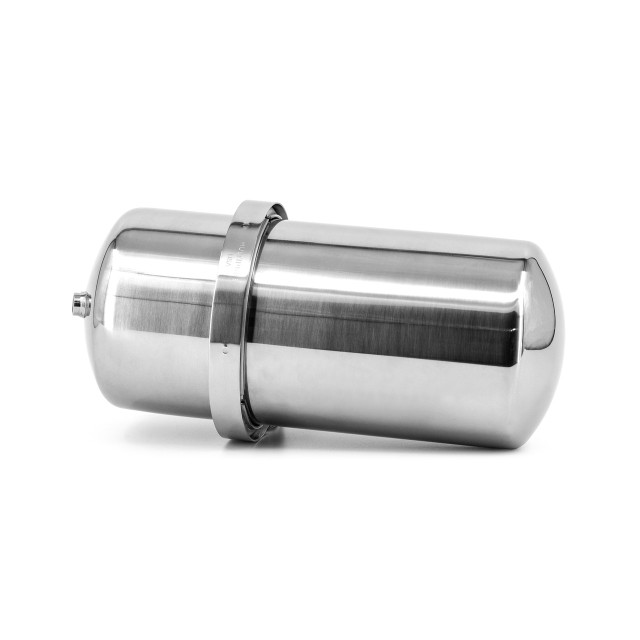
👉 If you are ready to upgrade, this is where something like a Multipure filtration system comes in.
It is not about luxury.
It is about consistency, ensuring you keep the right minerals in your water while removing the wrong things, and being prepared for when you are away from home and may only have bottled water available.
2. Stop Heating Plastic Bottles ☀️
This one is simple and you’ve likely heard this advice before. But, seriously, don’t pass it by!
Heat increases the likelihood of chemical leaching from plastics.
Even the article references concerns about bottled water handling and storage .
What to do:
- Do not leave water bottles in hot cars
- Avoid reusing disposable plastic bottles
3. Use Glass or Stainless Steel
Small change. Big impact.
Switch to:
- Glass bottles
- Stainless steel containers
You reduce repeated exposure without overthinking it.
4. Support Your Body’s Detox Systems 🥩
You are not fragile.
Your body is designed to handle a certain level of environmental exposure.
Support it by:
- Eating nutrient-dense foods
- Getting enough protein
- Staying hydrated
👉 Start here for a reasonable way to adjust to a protein-first lifestyle
Protein supports:
- Liver detox pathways
- Cellular repair
- Hormone balance
5. Be Consistent, Not Perfect
Perfection is not the goal.
Consistency is.
If you improve your water quality:
- Every day
- Over years
That matters more than reacting to one headline.
The Skin Connection (Most People Miss This) 🌿
Water quality does not just affect internal health.
It shows up externally.
Chlorine, contaminants, and mineral imbalances can contribute to:
- Dry skin
- Irritation
- Chronic conditions like eczema
👉 If this is something you are dealing with, this is where targeted support matters.
This is why we offer eczema consulting through ImmerHealth.
Because sometimes the issue is not just what you put on your skin.
It is what you are exposed to daily.
The Mental Side of All This 🧠
Let’s address something important.
There is fatigue around health topics like this.
People are tired of hearing:
- Everything is toxic
- Everything is dangerous
- Everything is a problem
That fatigue is real.
But here is the truth:
👉 Ignoring something does not make it irrelevant.
And overreacting does not make it helpful.
The middle ground is where you win.
A Simple Daily Water Upgrade Routine 🔁
If you want something actionable:
Morning
- Filtered water first thing
- Add minerals or a pinch of sea salt
Throughout the day
- Drink consistently
- Use glass or stainless
Evening
- Avoid unnecessary plastic exposure
- Keep hydration steady
Why This Approach Works
You are:
✔ Reducing exposure
✔ Supporting your body
✔ Building consistency
✔ Avoiding stress
This is sustainable.
Final Thoughts
The conversation around water quality is not going away.
And it should not.
But neither should your sense of calm.
You do not need to fear your environment.
You need to understand it and make better choices within it.
Your Next Step
👉 Start with the Brain Longevity Blueprint to untangle the mystery of cognitive support
👉 Intelligently upgrade your nutrition foundation with a high protein lifestyle
👉 Consider a long-term water solution like Multipure
👉 If skin or environmental sensitivity is an issue, explore eczema consultinghttps://immerhealth.co/consultations/
References
- Mason SA et al. 2018. Frontiers in Chemistry
- Naujokas MF et al. 2013. Environmental Health Perspectives
- Ganio MS et al. 2011. Journal of Nutrition