Why our daily cup is more than a drink
Coffee is not simply a beverage. It is a cultural anchor, a social cue, and a ritual that has shaped human gatherings for more than a thousand years. From the earliest coffee houses in the Middle East to the iconic American diner, coffee has always meant more than caffeine. It signals connection. It invites conversation. It gives people a reason to come together, slow down, and share a moment that crystallizes community.
An article published by MSN recently explored the different ways people enjoy coffee today and why the drink continues to evolve while still serving the same purpose: bringing people around a table. This is not surprising, given that coffee has been a social force for centuries. According to the National Coffee Association, seventy percent of Americans drink coffee weekly, and sixty two percent drink it daily (National Coffee Association USA, 2024). That frequency means coffee is tied to habits, routines, relationships, and comfort. People bond over shared tastes, familiar smells, and a sense of belonging.
In this article, we will explore the cultural significance of coffee, the many ways people gather around it, and why the quality of the water behind your cup matters more than most realize. We will also reference another popular conversation in the wellness space: the rise of protein coffee and mushroom coffee. Our recent post at ImmerHealth compared the two and explained why people are turning their morning cup into something more functional. You can read that full discussion here:
https://immerhealth.co/protein-coffee-vs-mushroom-coffee/
Still, no matter what version of coffee you love, the heart of the ritual remains unchanged. Coffee brings people together and reminds us that traditions matter.
Coffee’s Long History as a Social Glue
Coffee’s global journey began in the highlands of Ethiopia, where legend says a goat herder named Kaldi discovered the berries after watching his goats grow unusually energetic. The drink eventually made its way to Arabian coffee houses in the fifteenth century. These early spaces were called “schools of the wise” because people gathered there to read, debate, listen to music, and build relationships (Pendergrast, Uncommon Grounds, 2010).
When coffee spread to Europe in the seventeenth century, coffee houses became hubs for intellectual life. In London, they were called “penny universities,” since one penny bought a cup of coffee and access to lively discussions among merchants, writers, scholars, and everyday citizens.
Coffee culture has always centered on one theme: community. Even in modern life, where everything moves fast, coffee remains an anchor to a slower tradition. Couples meet for first dates over coffee. Friends reconnect over cappuccinos. Colleagues build new ideas over a shared pot in the break room. Entire cities are defined by their coffee cultures, like Seattle, Portland, Vienna, and Melbourne.
The act of gathering for coffee is both simple and profoundly human. It gives people permission to pause.
Coffee Rituals Across the World
Different traditions, same purpose
While every country brews coffee differently, the core ritual of gathering is universal.

4
Ethiopia
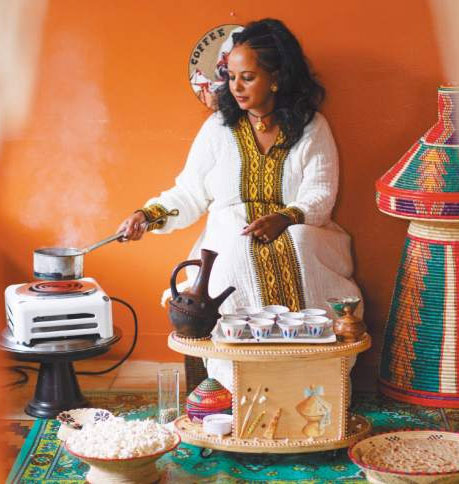
The Ethiopian coffee ceremony is a community ritual that can last several hours. Green beans are washed, roasted, and ground in front of guests. The brewing pot, called a jebena, creates a strong and aromatic drink. The ceremony emphasizes respect, hospitality, and conversation. Guests are honored participants, and coffee is viewed as a shared gift.
Italy
Italian espresso culture is fast but deeply relational. Italians often enjoy their espresso standing at a bar, exchanging brief conversations with neighbors or the barista. It is a quick ritual that reinforces social ties and daily rhythms.
Turkey
Turkish coffee is brewed unfiltered and served with grounds in the cup. It is often paired with fortune reading, conversation, and hospitality. The tradition is so important that it is listed by UNESCO as part of the Intangible Cultural Heritage of Humanity.
Vienna
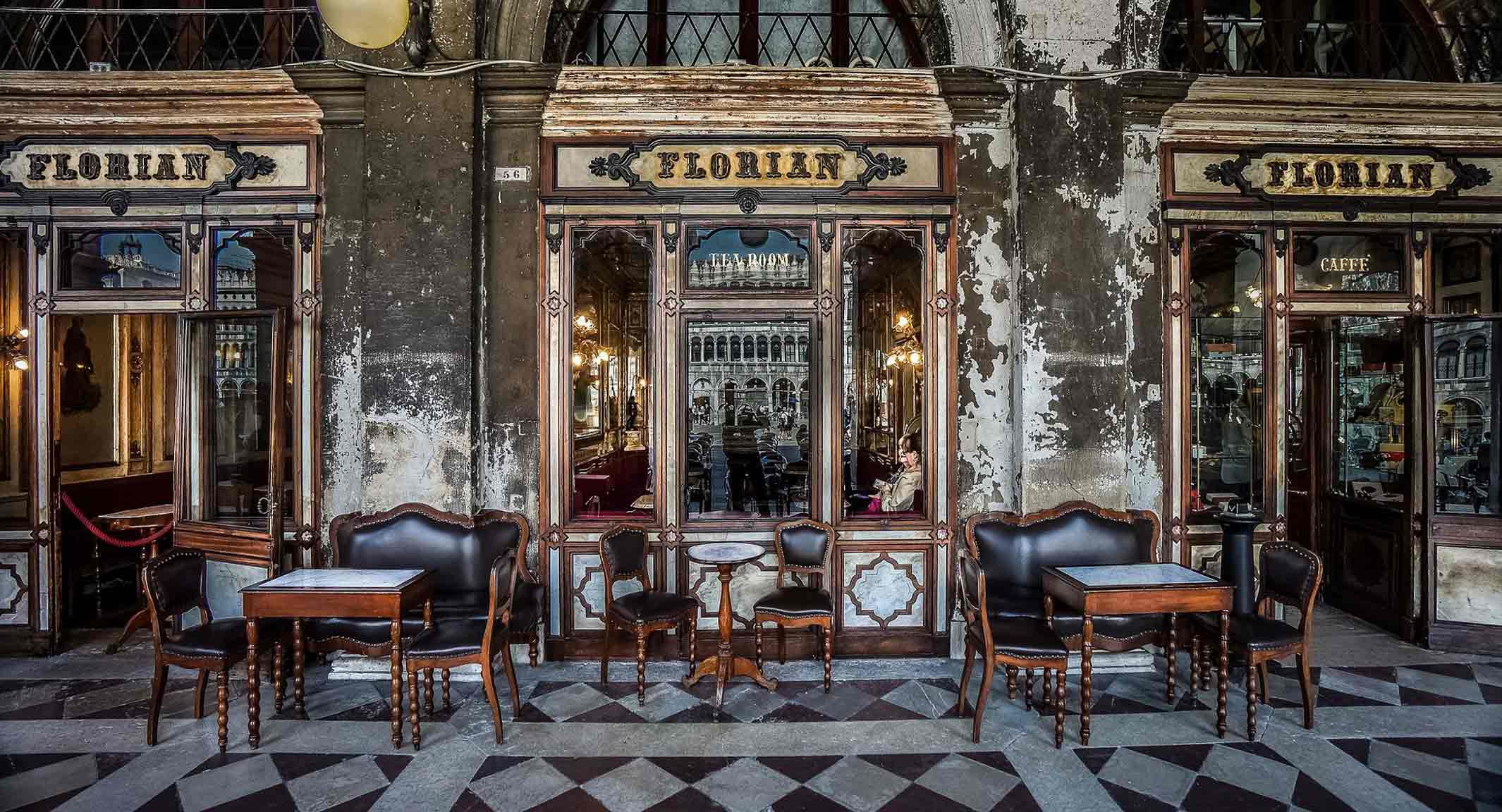
Vienna’s coffee houses are iconic. They provide a place to read, write, talk, and think. Many historical figures, such as Freud, Trotsky, and Klimt, spent hours in Vienna’s coffee houses reflecting or socializing. The culture embodies the belief that coffee houses are living rooms for the public.
Across every culture, coffee is an excuse to gather and an invitation to connect.
Coffee as Comfort, Ritual, and Identity
Modern research has begun to explore why coffee feels so meaningful. A study published in the journal Cognition and Emotion found that warm beverages increase feelings of interpersonal warmth and social connection (Williams and Bargh, 2008). Another study published in Psychopharmacology noted that coffee’s caffeine content can improve mood, alertness, and sociability (Haskell et al., 2005).
But the ritual itself plays an even bigger role. Morning coffee is one of the most stable habits in human life. It sets the tone for the day and offers a moment of consistency inside an unpredictable world.
Coffee becomes tied to identity. For example:
- Some people cannot imagine a morning without a carefully measured pour over.
- Others love the nostalgic comfort of a basic drip coffee pot.
- Many bond over their favorite local cafe and the relationships built there.
- Wellness minded individuals take the opportunity to turn their cup into a functional health tool by adding protein, collagen, mushrooms, minerals, or creamers that support gut health.
This last point connects directly to our ImmerHealth comparison of protein coffee versus mushroom coffee. In our post, we explained how each type offers a different benefit. Protein coffee helps support satiety and fitness goals while mushroom coffee can aid focus and stress resilience. Both trends show that coffee is evolving, but the social nature behind it stays the same.
People experiment with new blends not just for taste or health, but to integrate into their morning rhythms and conversations. New coffee types add new talking points, new rituals, and new reasons for people to gather.
Coffee Shops as Community Centers
The rise of coffee shops has changed modern cities. A study from the Harvard Business Review found that third spaces like coffee shops strengthen community bonds by providing a neutral, comfortable location where people can interact without obligation (Oldenburg, The Great Good Place, 1999).
Coffee shops encourage:
- Relationship building
- Creativity
- Co working
- Study sessions
- First dates
- Local art and music
- Neighborhood identity
Even today, when many people work remotely, coffee shops serve as the bridge between home and the outside world. They support mental well being by offering a sense of belonging. As Psychology Today notes, social connection is one of the strongest predictors of improved emotional health (Seppälä, 2016).
Coffee shops are not simply places to buy drinks. They are urban gathering spaces that restore an old truth. People need people.
The Overlooked Foundation of Great Coffee
It is the water
There is one factor that rarely gets attention, yet it shapes every cup of coffee. Water quality.
Coffee is ninety eight percent water. The minerals, pH level, structure, and purity of your water dramatically impact flavor, aroma, and even the extraction of compounds from your beans. The Specialty Coffee Association notes that ideal coffee brewing water should be free from contaminants, balanced in minerals, and consistent in composition for the best taste and extraction.
Poor quality water can cause:
- Bitter or flat flavors
- Mineral buildup in machines
- Reduced extraction
- Unpleasant odors or chlorine taste
- Increased acidity
This problem is even more common in homes that rely on municipal water systems, which often contain chlorine, chloramine, fluoride, microplastics, and heavy metals. These contaminants can distort the taste of coffee and introduce health considerations that many people overlook.
If you drink coffee every single day, the quality of your water matters. It matters for your health, your appliances, and the very experience of your daily ritual.
That is why we encourage every household to invest in a reliable water filtration or treatment system. At ImmerHealth, we have curated high quality systems that clean, remineralize, and optimize water for both drinking and brewing.
You can explore those systems here:
https://immerhealth.co/product-category/water-treatment-systems/
If coffee is part of your life, the foundation matters. High quality water elevates every cup.
Coffee’s Future: Tradition Meets Innovation
Coffee is evolving, but the heart of the ritual remains rooted in tradition. For centuries, coffee has been the drink people gather around. Even with new options like protein coffee, mushroom coffee, cold brew tonics, and adaptogenic blends, the underlying purpose stays steady.
People connect over coffee. It invites conversation. It sets the stage for meaningful community.
Here is what the future of coffee culture looks like:
1. Functional brewing
People are adding more to their coffee for specific health goals. Collagen, minerals, medicinal mushrooms, and spices like cinnamon and turmeric will continue to rise.
2. Water as a key focus
More people are learning that water quality shapes both health and flavor. Home water treatment systems will become more common as people prioritize purity and taste.
3. Third places returning
Coffee shops will remain essential community hubs. As remote work grows, people will need neutral gathering places that support both productivity and social connection.
4. Sustainability
Eco conscious consumers will demand ethically sourced beans, compostable packaging, and fair trade practices.
5. Diverse cultural influence
More global coffee traditions will enter mainstream American life, such as Ethiopian ceremonies, Turkish brewing styles, and Japanese slow drip methods.
The more coffee evolves, the more it reinforces its original purpose. It is a gathering point.
Final Thoughts
Coffee matters because people matter
Coffee’s cultural significance has always been tied to human connection. It is a drink that encourages people to gather, talk, and share time together. It threads through our mornings, our friendships, our ideas, our celebrations, and our sense of home.
And while coffee continues to adapt to wellness trends and innovative brewing methods, the essence of the ritual remains beautifully unchanged.
If coffee is part of your daily rhythm, invest in the quality that your body and your taste buds deserve. Better water means better brewing, better flavor, and better health.
Explore the best water treatment systems for your home here:
https://immerhealth.co/product-category/water-treatment-systems/
Coffee connects us. Make that connection as rich and pure as possible.