


New research on instant coffee, eye health, and what it means for everyday coffee lovers
Coffee is a cultural force. It has fueled conversations, shaped communities, and brought people together for more than a thousand years. It is the drink people use to start their morning, reconnect with friends, spark creativity, or simply take a moment of calm before the world demands their full attention. As we have already explored in two of our recent ImmerHealth features, Protein Coffee vs Mushroom Coffee and Coffee Culture, Community and the Ritual That Brings Us Together, coffee sits at the center of both tradition and innovation.
Today we add another layer to that conversation. A new study suggests there may be a loose but measurable connection between instant coffee consumption and an increased risk of age related macular degeneration, also called AMD. This is the most common cause of vision loss in older adults. Understanding this research matters because many people rely on instant coffee for convenience. With a closer look, we can explore what the data says, what it does not say, and what practical choices you can make to protect your long term health.
This article breaks down the research, puts the findings into context, and offers a grounded perspective you can use to make informed decisions about your coffee habits. Coffee remains a powerful cultural connector. But as with all major dietary habits, it is worth understanding how the products you choose affect your health.
Instant Coffee and Eye Health
What the new research found
The study titled Genetic Correlation and Mendelian Randomization Analyses Support Causal Relationships Between Instant Coffee Consumption and Age Related Macular Degeneration, analyzed genetic data from large population samples to investigate whether instant coffee may influence the risk of developing AMD. The study examined genome-wide association data from the UK Biobank and FinnGen database and used Mendelian randomization, a method that evaluates whether certain behaviors or exposures may have a causal impact on disease risk.
According to the abstract and results sections of the study, researchers found a statistically significant correlation between instant coffee consumption and AMD risk. The Mendelian randomization analysis indicated that higher intake of instant coffee may increase the likelihood of AMD, whereas ground coffee consumption did not show the same pattern. The discussion section (page 7) also notes that instant coffee may contain harmful compounds produced during high temperature processing, which could increase oxidative stress in the retina.
These findings add a new dimension to coffee research, but they also come with limitations. The authors highlight that genetic studies can detect associations, but they cannot always determine the exact mechanism of harm or how the findings translate to real world behavior. They also point out that not all instant coffees are produced the same way and that variations in processing may influence risk differently.
Still, the study provides a valuable starting point. It reinforces that all coffee types are not created equal and that certain preparation methods may have long term implications for health.
What We Already Know About AMD
A quick and practical overview
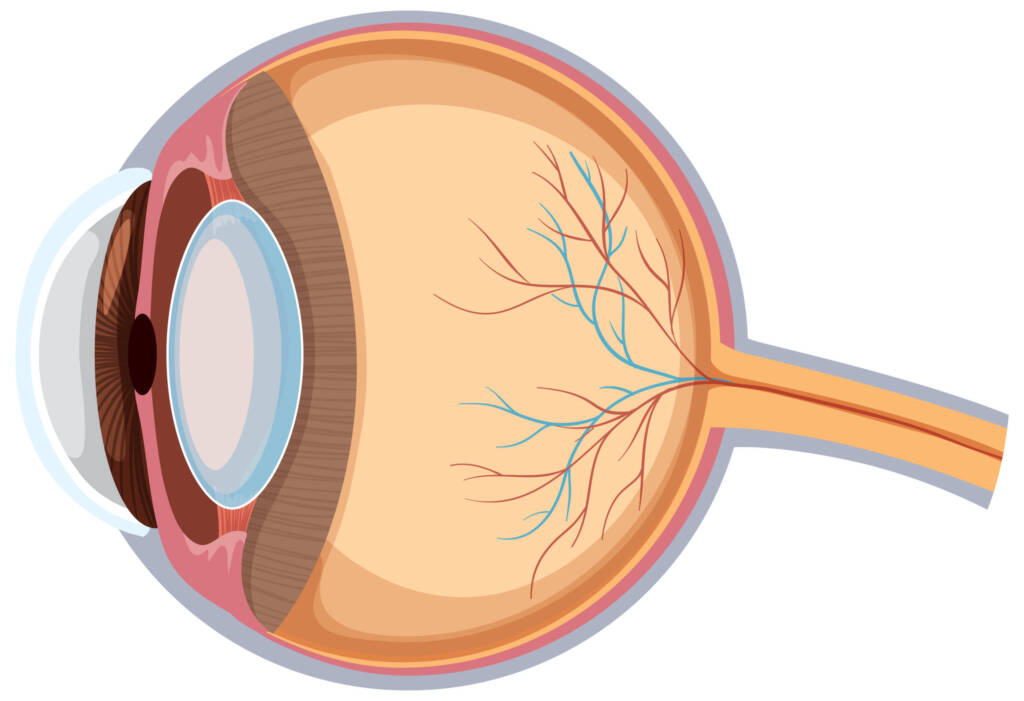
Age related macular degeneration affects more than 11 million people in the United States and is projected to double by 2050. It damages the macula, the part of the retina responsible for sharp central vision. AMD does not cause complete blindness, but it disrupts reading, driving, and daily life.
Known risk factors include:
- Smoking
- Diets low in antioxidants
- Age
- Genetics
- Chronic inflammation
- Excess exposure to light
- High oxidative stress
Researchers suspect that instant coffee may contribute to oxidative stress in a way that other coffee types do not. This does not mean instant coffee is inherently dangerous, but it suggests that heavy consumption over many years may be worth reconsidering.
The Tradition of Coffee and How It Fits Into Wellness
Coffee is not only functional. It is deeply cultural. In our ImmerHealth article Coffee Culture, Community and the Ritual That Brings Us Together, we explored the global traditions that make coffee a point of connection. Coffee ceremonies in Ethiopia, espresso bars in Italy, and slow drip techniques in Japan all reflect community values.
Modern wellness coffee trends add another dimension. Our post Protein Coffee vs Mushroom Coffee showed how people are now enhancing their morning cup with functional benefits. Protein coffee supports fitness and satiety, while mushroom coffee supports stress resilience. People want coffee to help them feel connected and also support longevity.
The new AMD study does not contradict any of this. It simply encourages us to make mindful choices about the type of coffee we consume and why.
Why Instant Coffee Might Behave Differently
A deeper look at processing and chemistry
Instant coffee is created using one of two methods:
- Spray drying
- Freeze drying
Spray drying uses extremely high heat, which can create harmful compounds such as acrylamide. Several studies have identified acrylamide as a potential neurotoxin and carcinogen when consumed in high quantities. Research published in Food Science and Nutrition and Journal of Agricultural and Food Chemistry has shown that instant coffee generally contains higher levels of acrylamide than brewed coffee.
The uploaded AMD study mentions that high temperature processing may produce chemicals that increase oxidative stress, which is a known trigger for macular degeneration. The discussion section (page 7) suggests this as a possible pathway linking instant coffee to AMD. Mutations in inflammation related genes also appear to play a role.
This does not mean instant coffee is unsafe for occasional use. However, it highlights a pattern: high quality, minimally processed foods and beverages consistently show better long term health outcomes.
Coffee, Antioxidants, and Eye Protection
While instant coffee may introduce some risks, brewed coffee has long been studied for its antioxidant content. Chlorogenic acids, caffeine, and polyphenols in coffee support cellular health. A 2018 study published in Nutrients found that coffee drinkers tend to have lower markers of oxidative stress and lower risks of several chronic diseases.
But the benefits depend on both the bean and the brewing water. Water quality determines extraction, mineral content, flavor profile, and even antioxidant availability. Municipal water supplies often contain heavy metals, chlorine, fluoride, and microplastics. These impurities can degrade flavor and introduce compounds that interact with antioxidants.
Your coffee is only as good as the water you brew it with.
The Bigger Picture: How Daily Choices Shape Long Term Health
One isolated study does not define your health outlook. What matters is accumulation. Coffee habits become health habits because they happen every single day. This is why the research on instant coffee and AMD deserves attention. Here is the practical, grounded takeaway.
If you prefer instant coffee
Consider reducing daily intake or switching to a brand that uses freeze drying instead of spray drying. Freeze drying preserves more antioxidants and minimizes harmful compounds.
If you choose brewed coffee
Pay attention to bean quality, roast type, and preparation method. Light and medium roasts tend to contain higher levels of antioxidant compounds.
If you enjoy functional coffee
Protein coffee and mushroom coffee both offer meaningful benefits, as we explained in our earlier ImmerHealth post. Just make sure you prepare these drinks with high quality water.
If you care about long term eye health
Focus on foods high in lutein, zeaxanthin, vitamin A, vitamin E, and omega 3 fats. Include greens, eggs, salmon, sardines, carrots, sweet potatoes, and berries. These compounds protect the retina.
Coffee is part of a larger health routine. Build that routine with intention.
Why Water Quality Matters More Than Most People Realize
Coffee is more than ninety percent water. So even if you choose a high quality bean or a functional coffee blend, the water you brew it with will determine the final experience. Good water balances minerals like calcium and magnesium without introducing contaminants.
Municipal tap water often contains:
- Chlorine
- Chloramine
- Fluoride
- VOCs
- Agricultural runoff
- Heavy metals
- Microplastics
- Sediment
These impurities affect both flavor and extraction. They can also interact with coffee compounds, reducing antioxidant availability. The Specialty Coffee Association recommends specific mineral profiles for optimal coffee extraction. Most households do not meet these standards without a filtration or treatment system.
If you want the healthiest cup of coffee, start at the source. Upgrade your water before you upgrade your coffee.
Final Thoughts
Coffee is a cultural gift. Protect the ritual by protecting your health.
Coffee continues to evolve. From ceremonial origins to modern functional blends, it has always held a place at the center of community life. The new research on instant coffee and age related macular degeneration invites us to look at our habits with fresh eyes and make thoughtful adjustments.
There is no need to panic. There is simply a need to be aware. Choose higher quality coffee. Support your eye health with antioxidant rich foods. And above all, make sure the water you rely on every morning is as clean and pure as possible.
If coffee is your ritual, make it a healthy one.
Upgrade the quality of your water right from your sink with high performance home water treatment systems:
https://immerhealth.co/product-category/water-treatment-systems/


