At some point in adulthood, life becomes very efficient.
Wake up.
Work.
Handle responsibilities.
Repeat.
Productivity takes over everything.
The hobbies you once loved quietly disappear somewhere between your twenties and your to-do list.
But something interesting is happening right now on social media.
People are rediscovering hobbies.
Not as side hustles.
Not as productivity hacks.
Just hobbies.
Online, people are calling them “side quests.” 🎮
Painting tiny landscapes. Learning pottery. Growing herbs. Walking for hours without a destination. Taking Pilates classes. Baking sourdough.
It might look like internet culture doing its usual thing.
But neuroscience suggests something deeper.
Hobbies may be one of the most powerful tools we have for brain health, emotional resilience, creativity, and longevity.
And that fits perfectly with the philosophy behind ImmerHealth.
Why Adult Hobbies Are Good for Brain Health
One of the biggest threats to modern brain health is monotony.
Adults often spend most of their time doing repetitive cognitive tasks.
Work tasks
Emails
Administrative decisions
Logistics
Your brain gets stuck in problem solving mode.
Neuroscientists describe two major brain systems:
• the task positive network, which handles focus and productivity
• the default mode network, which supports imagination and creativity
Creative activities activate the second system.
Research shows that creative hobbies stimulate neuroplasticity, the brain’s ability to build new neural connections (Beaty et al., 2016).
That means hobbies do more than entertain you.
They literally help your brain stay adaptable and resilient.

The Modern Brain Is Overstimulated but Under-Inspired
Ironically, we consume more stimulation than ever.
Social media. News. Streaming. Notifications.
But stimulation is not the same as engagement.
Passive consumption does not challenge the brain.
Active hobbies do.
This is one reason ImmerHealth encourages intentional activities like walking, herbalism, and movement practices that reconnect you with the physical world.
For example, spending time in nature has been shown to reduce stress hormones and improve cognitive recovery.
You can read more about that in our guide to forest bathing:
👉 https://immerhealth.co/forest-bathing/
Nature walks are essentially brain health side quests.
Hobbies Reduce Stress and Cortisol
Chronic stress is one of the biggest threats to brain health.
Long term cortisol exposure is associated with shrinkage in the hippocampus, the brain region responsible for memory formation (McEwen, 2017).
Hobbies help counteract this.
A study published in Psychosomatic Medicine found that engaging in enjoyable leisure activities reduced cortisol levels and improved mood (Pressman et al., 2009).
Even small hobbies like gardening, painting, or knitting produced measurable physiological benefits.
Which means your brain might actually benefit more from planting herbs or taking a pottery class than from scrolling through your phone.

The “Side Quest” Mindset
The phrase “side quest” comes from video games.
You have the main storyline.
But along the way you explore small adventures.
Those side quests often lead to unexpected rewards.
Life works the same way.
Your job might be the main storyline.
But side quests make life richer.
Side quests might look like:
🎨 watercolor painting
🌱 herb gardening
🚶♀️ long exploratory walks
📷 photography
🎶 learning an instrument
📚 reading outside your usual topics
These activities stimulate curiosity.
And curiosity is one of the most powerful drivers of brain health.
Curiosity Activates the Brain’s Reward System
Curiosity is not just a personality trait.
It is a neurological state.
Research from the University of California found that curiosity activates dopamine pathways and enhances memory formation (Gruber et al., 2014).
When people learn while curious, they remember information better.
In other words, curiosity primes the brain for learning.
Hobbies naturally trigger curiosity.
That is why adults who maintain hobbies often remain mentally sharper later in life.
How Hobbies Build Cognitive Reserve
Scientists use the term cognitive reserve to describe the brain’s resilience to aging and disease.
People with higher cognitive reserve tend to experience slower cognitive decline.
Activities that increase cognitive reserve include:
• learning new skills
• social interaction
• creative activities
• physical movement
A long term study published in Neurology found that individuals who regularly engaged in cognitively stimulating leisure activities had a significantly lower risk of Alzheimer’s disease (Wilson et al., 2012).
Your hobbies may literally be protecting your future brain.
Movement Hobbies Are Even More Powerful
Some hobbies combine creativity and physical movement.
Walking photography
Dance
Gardening
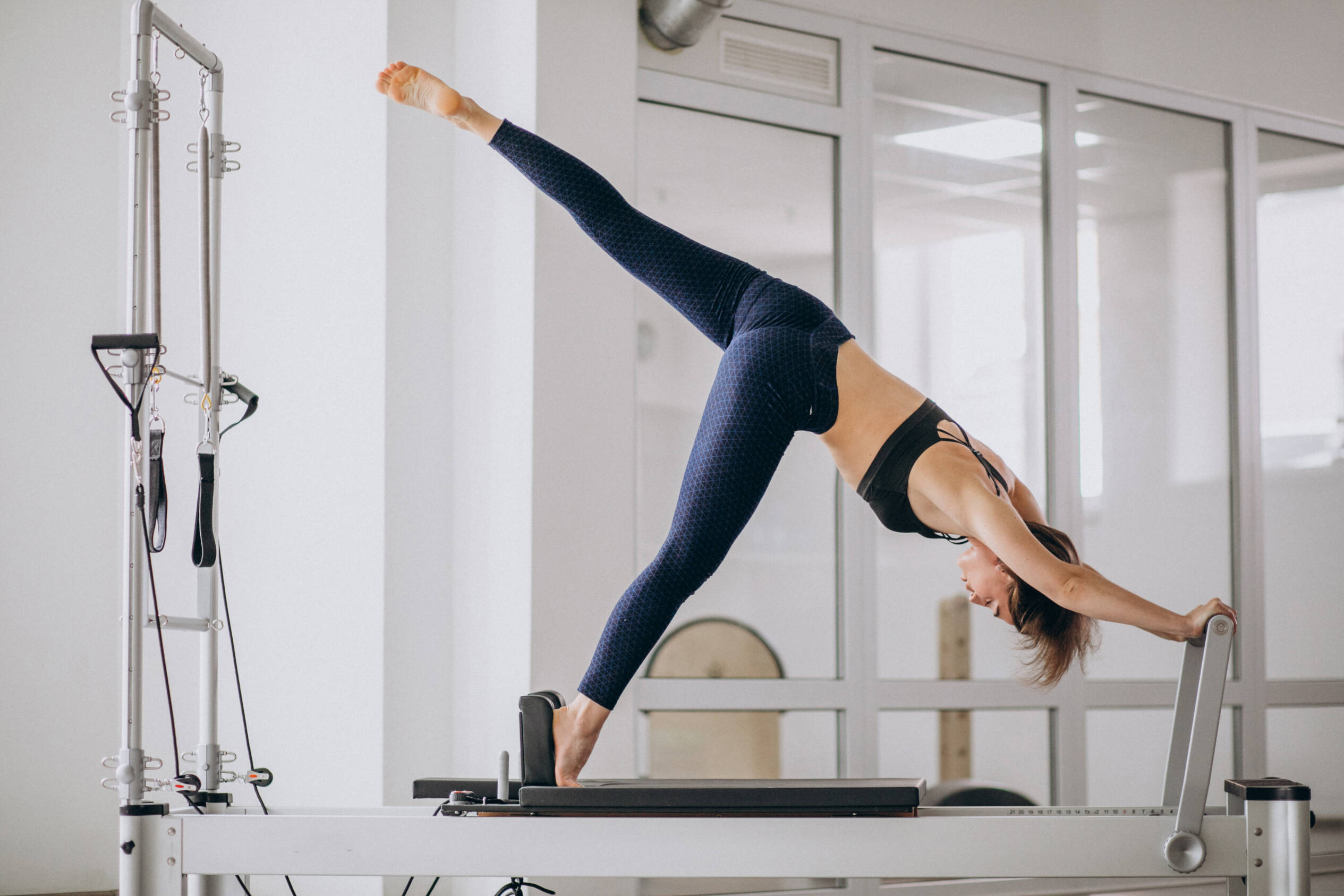
Pilates
Movement increases blood flow to the brain and stimulates the release of brain derived neurotrophic factor, often called fertilizer for neurons (Cotman & Berchtold, 2002).
That is one reason Classical Pilates can be such a powerful brain health practice.
Pilates integrates:
• posture awareness
• breath control
• coordination
• concentration
Your brain and body must work together.
If you are curious how Pilates can support posture, strength, and neurological coordination, you can explore Pilates consulting through ImmerHealth here:
👉 https://immerhealth.co/pilates-client-consulting/
Hobbies Strengthen Emotional Resilience
Another overlooked benefit of hobbies is emotional health.
When adults lose hobbies, they often lose one of their best tools for emotional recovery.
Creative and recreational activities help regulate the nervous system.
They create moments of flow.
Psychologist Mihaly Csikszentmihalyi described flow as a mental state where individuals become deeply absorbed in an activity.
During flow states, the brain experiences improved focus, reduced anxiety, and increased satisfaction.
This is why hobbies often leave people feeling refreshed.

Social Hobbies Improve Longevity
Humans are social creatures.
Isolation has become a major modern health risk.
Studies show that loneliness is associated with increased risk of depression, cardiovascular disease, and cognitive decline.
Hobbies create opportunities for connection.
Think about:
• Pilates classes
• gardening groups
• book clubs
• art workshops
Shared interests create natural social environments.
And social engagement is strongly associated with improved cognitive health.
Choosing the Right Hobby
Many adults struggle to choose a hobby.
They worry about talent.
They worry about productivity.
But hobbies do not need to be useful.
They just need to spark curiosity.
Here are a few hobby categories that support brain health.
Creative Side Quests 🎨
Creative hobbies activate imagination and flexible thinking.
Ideas include:
• watercolor painting
• photography
• journaling
• woodworking
• pottery
Creative work strengthens neural networks involved in problem solving and innovation.
Movement Side Quests 🚶♀️
Movement hobbies support both brain and physical health.
Ideas include:
• walking in nature
• Pilates
• dance classes
• yoga
• cycling
Daily walking is one of the simplest ways to support both cardiovascular and cognitive health.
Learning Side Quests 📚
Learning new topics stimulates neuroplasticity.
Ideas include:
• learning herbal medicine
• studying nutrition
• language learning
• cooking new cuisines
Herbalism is one area where curiosity and wellness intersect beautifully.
Many people begin exploring herbal traditions as a hobby and discover powerful tools for supporting health.
Quiet Side Quests 🌿
Some hobbies calm the nervous system.
Ideas include:
• gardening
• knitting
• tea rituals
• meditation
• bird watching
Quiet hobbies are especially powerful when paired with time in nature.
Nature exposure has been linked to reduced anxiety and improved cognitive recovery.
Learn more about this in our article:
👉 https://immerhealth.co/why-silence-is-becoming-a-health-necessity-not-a-luxury/
The ImmerHealth Philosophy
At ImmerHealth we often talk about:
• nutrition
• water quality
• herbal medicine
• movement
• brain health
But lifestyle patterns shape health just as much as diet.
Hobbies are part of that lifestyle.
They nurture curiosity.
They reduce stress.
They stimulate the brain.
They reconnect us with the world.
Sometimes the healthiest thing you can do is step away from productivity and take a side quest.
Try One Side Quest This Week
Choose something small.
Plant herbs in your kitchen.
Walk a new trail.
Take a Pilates class.
Sketch something imperfect.
Curiosity keeps the brain alive.
And your brain deserves a little adventure.
Want More Ways to Protect Your Brain?
Hobbies are only one piece of brain longevity.
Nutrition, movement, hydration, and lifestyle choices all influence cognitive health.
The ImmerHealth book The Brain Longevity Blueprint explores science backed strategies for protecting memory and neurological health naturally.
You can find it on Amazon.
Because living longer is not enough.
The goal is to keep your brain curious, creative, and alive along the way. 🧠✨
References
Beaty, R. E., et al. (2016). Creative cognition and brain network dynamics. Nature Reviews Neuroscience.
Cotman, C. W., & Berchtold, N. C. (2002). Exercise and brain plasticity. Trends in Neurosciences.
Gruber, M. J., et al. (2014). Curiosity enhances hippocampus dependent learning. Neuron.
McEwen, B. S. (2017). Neurobiological effects of stress. Dialogues in Clinical Neuroscience.
Pressman, S. D., et al. (2009). Association of enjoyable leisure activities with psychological and physical wellbeing. Psychosomatic Medicine.
Wilson, R. S., et al. (2012). Cognitive activity and risk of Alzheimer disease. Neurology.