I can’t tell you how many Instagram posts I’ve seen joking that someone “feels more pressure to have protein in their 40s than they ever felt to have drugs in high school”.
Understandably, many people turn to protein shakes. They’re easy, fast, and look cool at the gym.
Protein powder has become a modern security blanket.
If you lift, walk, age, heal, or simply exist in a body, you have been told you need more protein. And fast. And convenient. And preferably in a tub with a label that says clean, plant-based, or doctor-recommended.
But recent reporting has cracked open a truth many people did not want to hear.
Some protein powders contain measurable levels of heavy metals, including lead and cadmium, that raise real safety concerns.
And before we dismiss this as fear-mongering, the data deserves a serious look.
What the Recent Reports Actually Found
Recent investigations reported by 11Alive and Consumer Reports tested a wide range of popular protein powders, including plant-based, whey, and chocolate-flavored varieties.
The findings may make you uncomfortable.
Some protein powders contained detectable levels of lead and cadmium, with certain products exceeding California’s Proposition 65 thresholds for daily exposure. Chocolate-flavored protein powders were particularly problematic, likely due to cocoa’s tendency to accumulate heavy metals from soil.
Consumer Reports emphasized that while not all protein powders were dangerous, many people are consuming these products daily, sometimes multiple times per day, which changes the exposure equation entirely.
The issue is not one scoop once in a while.
It is chronic intake.
Heavy metals accumulate in the body over time. They do not politely exit because the label says organic.
Why This Matters More Than People Want to Admit
Lead and cadmium are not benign.
Lead exposure is associated with neurological impairment, cardiovascular disease, kidney dysfunction, and impaired cognitive function. Cadmium accumulates in the kidneys and has been linked to bone demineralization and metabolic disruption.
A review published in The Lancet Neurology confirms that there is no safe level of lead exposure, particularly for neurological health.
Another review in Environmental Health Perspectives shows that cadmium exposure contributes to oxidative stress, mitochondrial dysfunction, and endocrine disruption.
Now ask yourself a hard question.
Why would anyone voluntarily consume a product daily that may contribute to long-term toxic load, especially when alternatives exist?
The Bigger Problem Is Not Just Heavy Metals
Heavy metals are the headline. The deeper issue is dependency.
Protein powders have quietly replaced real food.
They are marketed as necessary, efficient, and superior. They are treated as nutritional insurance policies. Miss a meal, grab a shake. Too busy to eat, drink protein.
But digestion is not a flaw in the system. It is the system.
When we bypass chewing, stomach acid production, and normal digestive signaling, we short-circuit satiety and metabolic feedback.
Protein powders do not train your body to digest better. They train it to rely on supplementation.
Protein Needs Are Real. The Delivery Method Is the Problem.
Let’s be clear.
Protein matters. Especially as we age.
Adequate protein intake supports muscle mass, bone density, immune function, hormone production, and brain health. Sarcopenia is real. Frailty is real. Recovery requires amino acids.
But protein does not require powders.
And it certainly does not require daily exposure to potential contaminants.
Real Food Protein Is More Bioavailable Than You Think
One of the most persistent myths is that it is hard to get enough protein without powders.
That myth collapses under basic math.
Here are protein sources that have fed humans for generations, without industrial processing.
Animal-Based Whole Foods
I prefer a meat-based diet, mostly a loose carnivore/keto but occasionally I’ll go strict carnivore. To learn more about that, check out my book The Carnivore Lifestyle.
- Eggs: One of the most complete amino acid profiles available. Easily digested. Rich in choline for brain health.
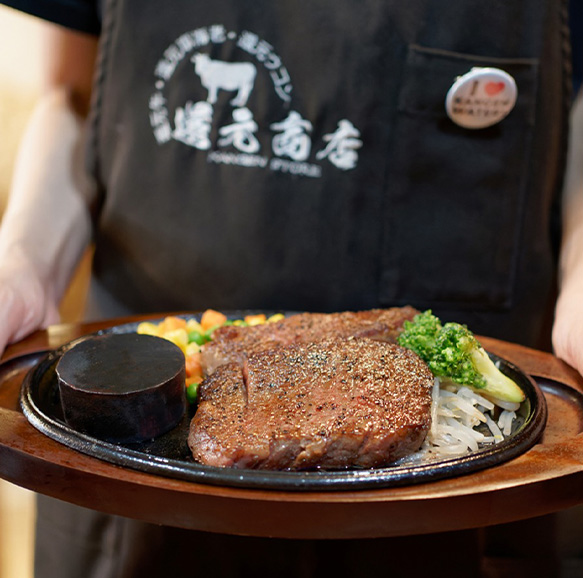
- Beef, lamb, and bison: Dense in protein, iron, zinc, and B vitamins. Supports muscle and mitochondrial health. My personal favorite is Kangen’s Wagyu beef – they are served the best water and it shows in the marbling.
- Fish and shellfish: Protein plus omega-3 fatty acids. Supports inflammation balance and cognition.
- Greek yogurt and kefir: Protein with beneficial bacteria. Supports gut health alongside muscle repair.
Plant-Forward Whole Foods
I have many friends who are vegan or vegetarian (yes, carnivores & vegans can be friends!) Here are a few things they use to fill their protein needs.
- Lentils and beans: High in protein and fiber. Best tolerated when properly soaked and cooked.
- Tempeh: Fermented soy with improved digestibility compared to isolates.
- Pumpkin seeds, hemp seeds, and chia: Protein plus minerals and fats.
- Quinoa: A complete plant protein when prepared properly.
These foods come with cofactors. Minerals. Enzymes. Fat-soluble vitamins.
Protein powders do not.
Digestion and Absorption Matter More Than Labels
A gram of protein on a label does not equal a gram absorbed.
Protein absorption depends on stomach acid, pancreatic enzymes, bile flow, and gut integrity. Highly processed protein isolates can be harder to digest than whole foods, particularly in people with compromised digestion.
Research published in The American Journal of Clinical Nutrition shows that whole food protein sources stimulate muscle protein synthesis more effectively than isolated amino acids in many populations.
Translation: your body knows what to do with real food.
But What About Convenience?
Convenience is not health neutral.
Ultra-convenient foods are often convenient because they bypass biological steps. Those steps exist for a reason.
Chewing stimulates digestion. Stomach acid sterilizes food. Digestive enzymes regulate absorption speed. Satiety hormones signal when enough is enough.
Liquid calories disrupt this process.
Protein shakes are easy to overconsume, easy to tolerate poorly, and easy to justify repeatedly. That does not make them optimal.
You can easily prepare a week’s worth of meals and snacks from whole foods for when they’re needed.
If You Do Use Protein Powder, Be Discerning
This is not a moral crusade against all protein powders.
Some people use them strategically. Some situations call for supplementation.
But blind trust is no longer warranted.
If you choose to use protein powder:
- Avoid daily, long-term reliance.
- Be cautious with chocolate flavors.
- Rotate sources rather than using one product continuously.
- Support detox pathways with adequate hydration and minerals.
- Remember that testing today does not guarantee purity tomorrow.
The supplement industry is not regulated like food.
Hydration and Detox Capacity Are Part of the Protein Conversation
Heavy metals do not exit the body on their own.
They are eliminated through the liver, kidneys, and gastrointestinal tract. That process depends on hydration, mineral balance, and gut health.
Poor water quality compounds the problem. You may know that I’m a water nerd, so look at what I personally use for water purification here.
If someone is consuming protein powders daily and drinking poor-quality water, they are stacking the deck against themselves.
Protein does not exist in isolation. Neither does toxicity.
The Provocation Most People Avoid
Here is the uncomfortable truth.
If your nutrition plan requires a powder to be “complete,” something upstream is broken.
Real nourishment is not engineered. It is cultivated.
Protein powders were designed for convenience, not resilience.
And convenience has consequences.
What I Recommend Instead
Prioritize:
- Real meals with visible protein sources.
- Chewing and digestion.
- Hydration with clean, properly filtered water.
- Rotating protein sources rather than repeating the same one daily.
- Supporting gut health so protein is actually absorbed.
Protein should strengthen your body, not burden it.
Want Better Protein Options Without the Guesswork?
I put together a free educational resource that outlines:
- High-quality protein sources beyond powders
- How to match protein intake to age and activity
- Protein options for sensitive digestion
- How to avoid unnecessary toxic exposure
- How hydration and minerals affect protein utilization
If you want access to that resource, email me directly:
I will send it to you.
Protein is essential. Blind supplementation is not.
Choose nourishment over marketing.