You ever notice how nothing hits like it used to?
The coffee doesn’t wake you up the same.
Scrolling isn’t even fun anymore.
You bounce between apps, snacks, messages, and still feel… flat.
That’s not a motivation problem.
It’s a dopamine problem.
And the solution isn’t more stimulation. It’s less.
Welcome to the “slow dopamine” shift. It’s gaining traction for a reason. People are tired of feeling wired, distracted, and oddly unfulfilled. Slowing down dopamine isn’t about deprivation. It’s about recalibration.
Because your attention, your habits, and your environment are shaping your brain every single day.
What Dopamine Actually Does 🧪
Let’s clear something up.
Dopamine is not the “pleasure chemical.”
It’s the motivation and reward signal.
It drives:
- Focus
- Drive
- Habit formation
- Anticipation
Research in Neuron shows dopamine plays a central role in reward prediction and behavioral reinforcement (Schultz, 2015).
In simple terms:
👉 Dopamine teaches your brain what to chase.
The Problem: Too Much, Too Fast ⚡
Modern life is built on high-frequency dopamine hits:
- Social media
- Ultra-processed food
- Constant notifications
- Streaming everything
Each one gives you a quick spike.
But here’s the catch:
👉 The more you spike dopamine, the harder it is to feel satisfied.
This is called dopamine desensitization.
Studies show that repeated overstimulation can reduce receptor sensitivity, making everyday activities feel less rewarding (Volkow et al., New England Journal of Medicine, 2019).
That’s why:
- You lose focus
- You feel restless
- You need more stimulation to feel anything
What Is “Slow Dopamine”? 🌿
The slow dopamine idea is simple:
👉 Reduce artificial stimulation so your brain can reset.
Instead of chasing constant hits, you:
- Slow down inputs
- Remove excess noise
- Reintroduce natural sources of reward
It’s not about cutting everything out.
It’s about changing the pace.
This aligns with behavioral research showing that reducing high-reward stimuli can restore sensitivity to everyday experiences (Lembke, 2021).
Signs You Might Need a Dopamine Reset 🚩
Be honest with yourself.
- You check your phone constantly
- You feel bored quickly
- You struggle to focus
- You need caffeine just to feel normal
- You crave stimulation even when you’re tired
That’s not a personality trait.
That’s a pattern.
What Happens When You Slow Down Dopamine 🧠
When you reduce overstimulation:
✔ Your focus improves
✔ Your energy stabilizes
✔ Your mood evens out
✔ Simple things feel rewarding again
You start to notice:
- A walk feels good
- A meal feels satisfying
- A conversation holds your attention
This is your brain recalibrating.
6 Ways to Practice Slow Dopamine (Without Overcomplicating It)
1. Create Gaps Between Stimulation 📵
Stop stacking inputs.
No more:
- Scrolling while eating
- Watching something while working
- Constant background noise
Try this:
Eat one meal a day without your phone.
Just that alone will shift your awareness.
2. Delay Your First Dopamine Hit of the Day 🌅
Most people wake up and immediately:
- Check their phone
- Drink coffee
- Jump into stimulation
Instead:
- Drink water
- Get sunlight
- Move your body
This stabilizes your baseline.
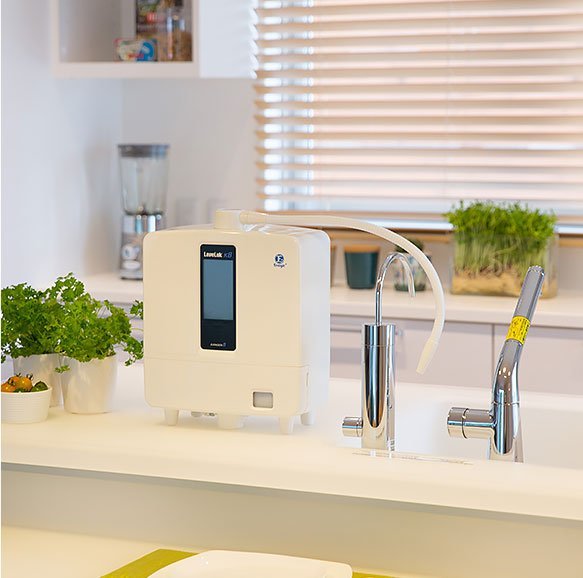
👉 Pair this with better hydration that your body craves
3. Bring Back Natural Rewards 🌿
Your brain was not designed for endless digital input.
It responds best to:
- Nature
- Movement
- Real food
- Sunlight
Even something as simple as stepping outside and slowing down can reset your system.
4. Eat in a Way That Supports Stability 🍳
Your diet affects dopamine more than you think.
Protein provides amino acids like tyrosine, which supports dopamine production.
Low-protein, high-sugar diets create spikes and crashes.
Because stable energy supports stable focus.
5. Reduce “Cheap Dopamine” ☕
Let’s call it out.
Cheap dopamine includes:
- Endless scrolling
- Junk food
- Constant snacking
- Over-caffeination
You don’t have to eliminate it.
Just reduce frequency.
6. Relearn How to Be Bored 😌
This one matters.
Boredom is where creativity and clarity come from.
Research in Academy of Management Discoveries shows that boredom can enhance creative thinking and problem solving (Mann and Cadman, 2014).
If you eliminate boredom, you eliminate depth.
The Nervous System Connection 🧠
This is not just brain chemistry.
It’s your nervous system.
Constant stimulation keeps you in a mild stress state.
Slowing dopamine:
- Activates parasympathetic function
- Reduces cortisol
- Improves recovery
👉 This ties directly into vagus nerve health, try a vagus nerve reset
A Simple “Slow Dopamine” Day 🔁
If you want a practical example:
Morning
- Water
- Sunlight
- No phone for 30 minutes
Midday
- Focused work without distractions
- Protein-based meal
Afternoon
- Walk outside
- No multitasking
Evening
- Low light
- No scrolling
- Quiet time
That’s it.
No extremes.
Why This Works (Biologically)
You are:
✔ Reducing overstimulation
✔ Restoring receptor sensitivity
✔ Supporting neurotransmitter balance
✔ Improving focus and mood
Instead of chasing dopamine, you are regulating it.
The Real Win 🎯
The goal is not to feel amazing all the time.
The goal is to:
👉 Feel stable, clear, and in control
That’s what people are actually missing.
Final Thoughts
Slow dopamine is not about doing less for the sake of it.
It’s about doing less of what drains you and more of what actually restores you.
You don’t need another hack.
You need better rhythms.
Your Next Step
Start small.
Pick one habit:
- No phone in the morning
- One distraction-free meal
- One walk outside
Then build.
Because your brain is shaped by what you repeat.
References
- Schultz W. 2015. Neuron
- Volkow ND et al. 2019. New England Journal of Medicine
- Lembke A. 2021. Dopamine Nation
- Mann S and Cadman R. 2014. Academy of Management Discoveries