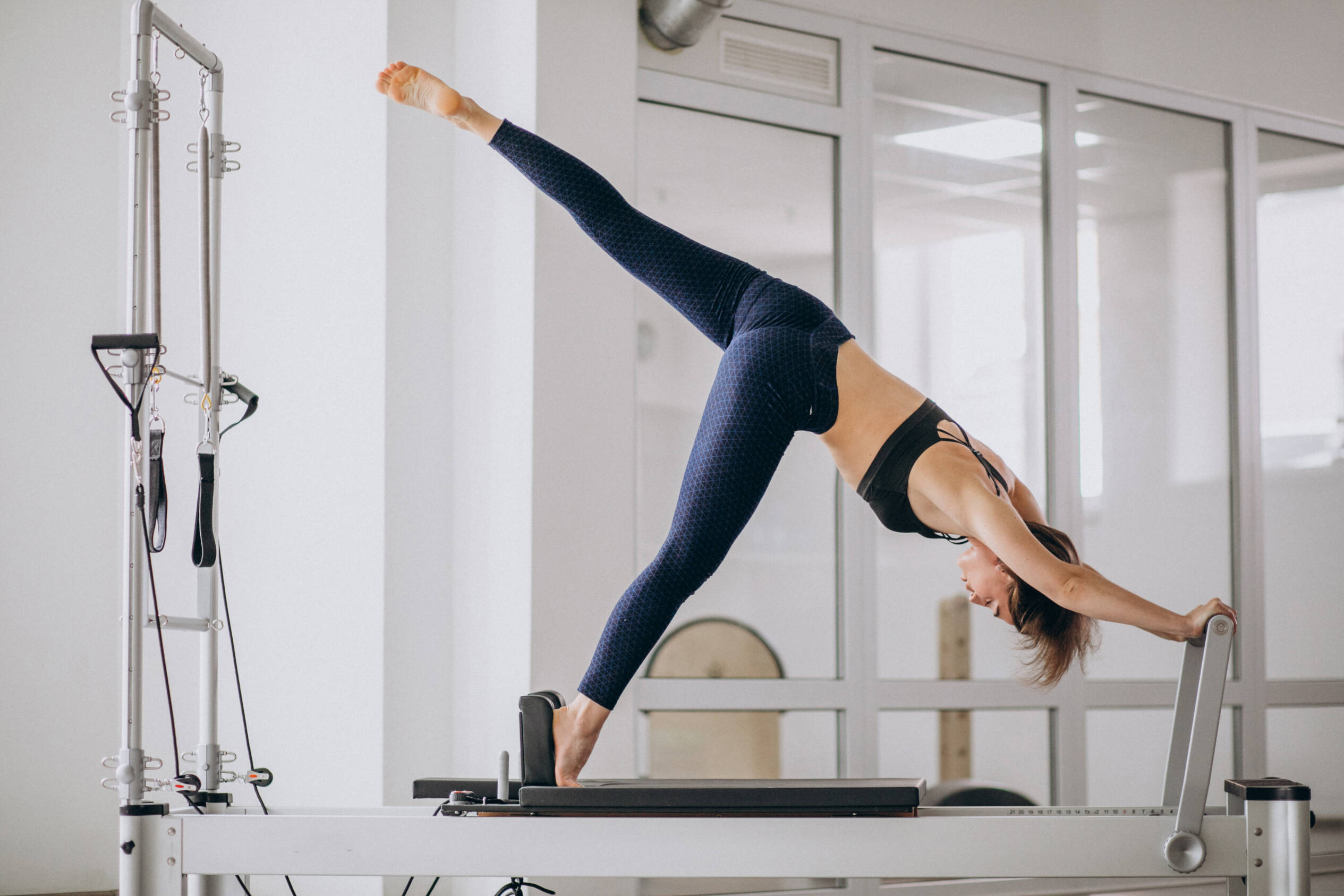
Classical Breathing, Stomach Massage, Single Leg Work, and Whole-Body Integration
Pelvic floor stability is not trained by isolating a muscle or mimicking daily movements out of sequence. In the Classical Pilates system, stability is earned through order, control, breath, and precise initiation from the powerhouse. This is why Classical Pilates remains one of the most effective systems for pelvic floor training when it is taught as it was intended.
Joseph Pilates did not separate the pelvic floor from the abdominals, hips, or breath. He trained the body as an integrated system, where deep abdominal control naturally organizes the pelvic floor without force or strain. In Classical Pilates, pelvic floor stability is a byproduct of correct movement, not a cue shouted at the student.
In the earlier posts in this series, we explored why pelvic floor stability matters and how to tell whether your pelvic floor needs strengthening, relaxation, or both. This post explains how Classical Pilates builds pelvic floor stability through traditional exercises that respect anatomy, nervous system coordination, and long-term resilience.
The First Principle: The Powerhouse Drives the Pelvic Floor
In Classical Pilates, the powerhouse refers to the integrated system of the deep abdominals, pelvic floor, diaphragm, and spinal support muscles. When the powerhouse initiates movement correctly, the pelvic floor responds reflexively.
Research supports this integrated view. Studies show that pelvic floor activation occurs in coordination with transversus abdominis activity rather than through isolated contraction alone (Sapsford et al., 2001). This reinforces the Classical Pilates approach of training abdominal control first and allowing the pelvic floor to follow naturally.
If you have to consciously clench your pelvic floor, the system is not organized yet.
Breathing the Classical Way: Not Relaxation, Not Force
Breathing in Classical Pilates is neither passive relaxation nor aggressive abdominal pumping. It is a controlled expansion of the rib cage that supports spinal length and pelvic stability.
The diaphragm and pelvic floor move together as part of the pressure regulation system. On inhalation, both lengthen. On exhalation, both respond with lift and containment.
Research by Hodges and Gandevia demonstrated that the diaphragm plays a direct role in postural control and trunk stability, supporting the idea that breath is inseparable from pelvic floor function (Hodges & Gandevia, 2000).
In Classical Pilates:
- The inhale creates space
- The exhale organizes support
- The pelvic floor responds rather than contracts independently
This breathing strategy prevents chronic tension while allowing strength to develop.

Stomach Massage Series: Pelvic Floor Stability in Seated Work
Instead of squats, Classical Pilates uses the Stomach Massage series to train pelvic floor stability in a seated, upright position where gravity demands control without impact.
Why Stomach Massage Is Ideal
Stomach Massage requires:
- Deep abdominal initiation
- Upright spinal organization
- Pelvic stability without gripping
- Coordinated breath under load
The exercise teaches the body to lift from the powerhouse while keeping the pelvis stable and the spine tall. This naturally recruits the pelvic floor through abdominal containment and breath management.
Clinical research shows that seated trunk control challenges pelvic floor activation due to increased postural demand (Smith et al., 2014). Stomach Massage addresses this precisely, without unnecessary external load.
Key Classical Focus
- Initiate every repetition from abdominal lift, not leg push
- Maintain pelvic neutrality
- Avoid tucking or thrusting
- Allow the pelvic floor to respond reflexively
If a student collapses, grips, or holds breath, the exercise has progressed too far.
Single Leg Circles: Asymmetry Without Instability
Rather than lunges, Classical Pilates uses Single Leg Circles to introduce asymmetrical load while maintaining pelvic control.
Why Single Leg Circles Matter
Single Leg Circles:
- Challenge pelvic stability side to side
- Reveal dominance and compensation
- Require dissociation of hip movement from pelvic motion
- Demand deep abdominal and pelvic coordination
Neumann’s work on kinesiology highlights that unilateral hip motion significantly increases demand on pelvic stabilizers, especially during rotational forces (Neumann, 2010). Single Leg Circles expose instability without overwhelming the system.
Classical Execution Principles
- Pelvis remains anchored
- Movement is smooth and controlled
- Breath supports control, not effort
- Range is secondary to stability
This exercise trains pelvic floor responsiveness under asymmetrical conditions without introducing unnecessary load or speed.
Ballet Stretches and the Snake: Advanced Pelvic Control
As the system becomes organized, Classical Pilates introduces exercises like Ballet Stretches and The Snake to demand full integration.
Ballet Stretches
Ballet Stretches require:
- Upright spinal control
- Hip dissociation
- Pelvic neutrality
- Strong abdominal and pelvic coordination
These exercises refine pelvic floor stability in standing alignment without impact or compression.
The Snake
The Snake is an advanced exercise that challenges:
- Lateral stability
- Rotational control
- Deep abdominal lift
- Pelvic floor responsiveness under load
Research on rotational trunk control emphasizes the importance of coordinated pelvic and abdominal activation to protect spinal and pelvic structures (van Dieen et al., 2003). The Snake embodies this principle in its purest form.
These exercises are not about flexibility alone. They demand strength, control, and timing.
Why Classical Pilates Avoids Bracing
Bracing is a survival strategy. It stiffens the trunk, limits breath, and increases intra-abdominal pressure in a way that can overload pelvic tissues.
Studies on trunk muscle activation show that excessive co-contraction and rigidity reduce movement efficiency and can exacerbate pelvic floor dysfunction (van Dieen et al., 2003).
Classical Pilates instead teaches:
- Containment without rigidity
- Strength with breath
- Stability that adapts
This distinction is critical for pelvic floor health.
Progression the Classical Way
Classical Pilates follows a deliberate order:
- Supine
- Seated
- Standing
- Dynamic and asymmetrical
Each stage increases neurological demand rather than brute force. This aligns with motor learning research showing that precise, low-fatigue training improves long-term motor control (Kleynen et al., 2014).
Progression only occurs when:
- Breath remains fluid
- Pelvic floor responds naturally
- No gripping or bearing down occurs
- Control is maintained throughout the range
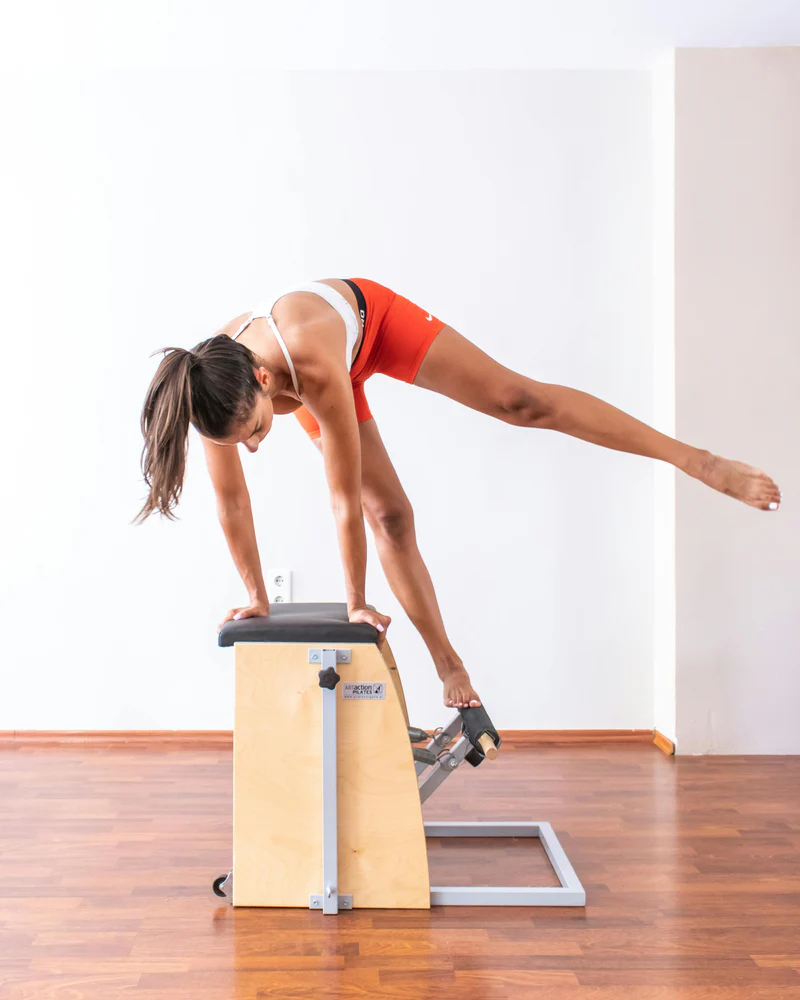
CTA: Learn Pelvic Floor Stability Through Classical Pilates at ImmerHealth
If you want pelvic floor stability taught the way it has always been done, ImmerHealth offers online Classical Pilates with a 3rd generation instructor. These sessions emphasize powerhouse initiation, breath, precision, and intelligent progression rather than modern fitness shortcuts.
This approach builds pelvic floor stability that supports you for decades, not just a workout.
What Comes Next
The next post in this series will explore pelvic floor stability for walking, gait, and impact, showing how Classical Pilates prepares the body for real-world movement without sacrificing control.
Pelvic floor stability is not accidental. It is cultivated through tradition, discipline, and respect for how the body was designed to move.
References
Sapsford, R. R., Hodges, P. W., Richardson, C. A., Cooper, D. H., Markwell, S. J., & Jull, G. A. (2001). Co-activation of the abdominal and pelvic floor muscles during voluntary exercises. Neurourology and Urodynamics, 20(1), 31–42.
Hodges, P. W., & Gandevia, S. C. (2000). Activation of the human diaphragm during a repetitive postural task. Journal of Physiology, 522(1), 165–175.
Smith, M. D., Coppieters, M. W., & Hodges, P. W. (2014). Postural response of the pelvic floor and abdominal muscles in women with and without incontinence. Neurourology and Urodynamics, 33(3), 372–378.
Neumann, D. A. (2010). Kinesiology of the musculoskeletal system. Elsevier.
van Dieen, J. H., Selen, L. P., & Cholewicki, J. (2003). Trunk muscle activation in low-back pain patients. Journal of Electromyography and Kinesiology, 13(4), 333–351.
Kleynen, M., Braun, S. M., Bleijlevens, M. H., Lexis, M. A., Rasquin, S. M., Halfens, J., & Wade, D. T. (2014). Motor learning in rehabilitation. BMC Neurology, 14, 226.