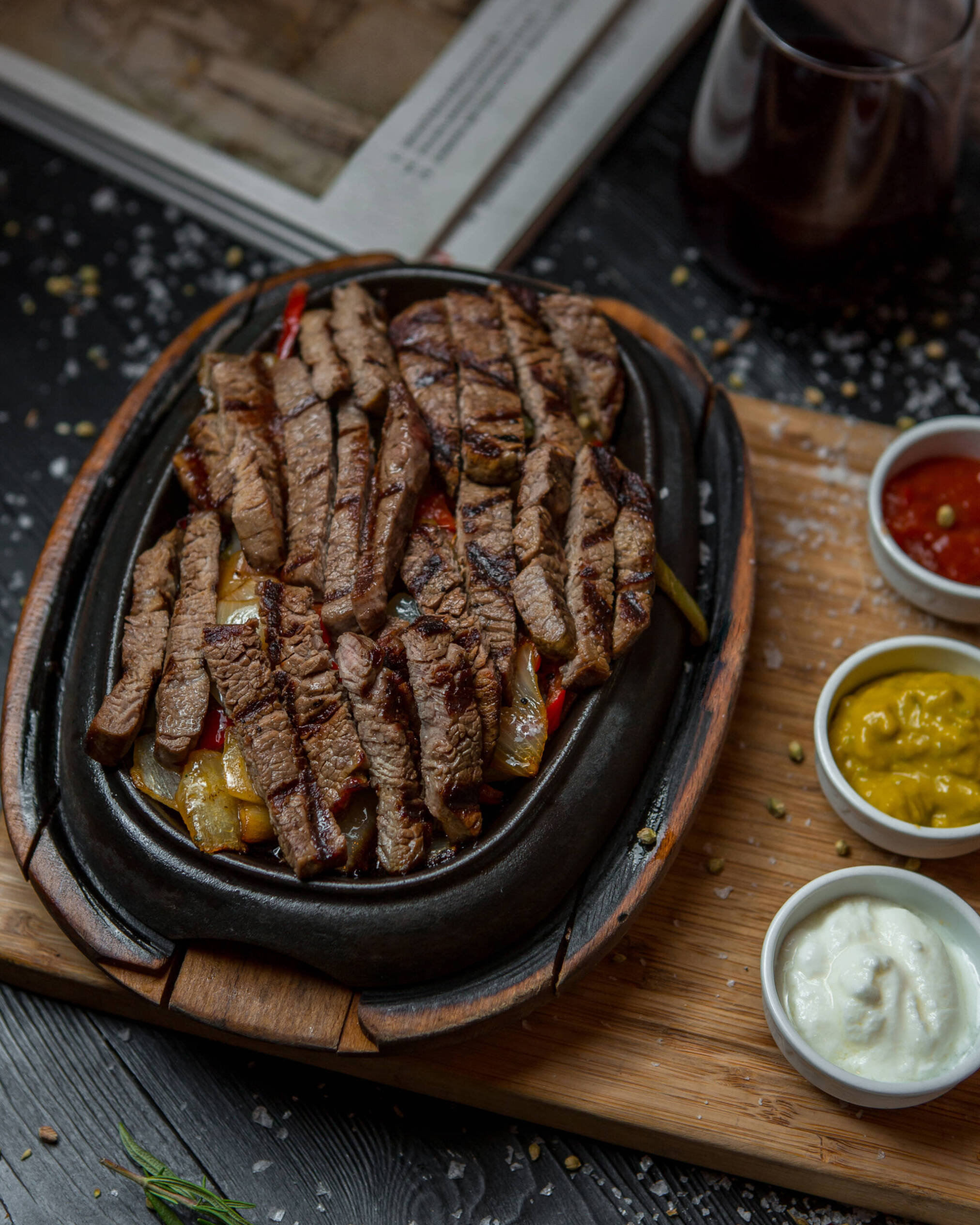
For decades we were told to fear fat, avoid red meat, and prioritize quantity over quality. Lean cuts. Cheap protein. More meals. More snacks. More everything.
The result has not been better health.
It has been metabolic dysfunction, nutrient deficiencies, chronic inflammation, and a generation that eats constantly yet feels undernourished.
Here is the uncomfortable truth.
Not all meat is equal. And when you eat better meat, you naturally eat less.
That is not deprivation. That is biological intelligence.
Quantity Became the Substitute for Quality
I’m a huge supporter of the carnivore lifestyle, but I’m definitely also a weird combination of being frugal and wanting high quality. Modern food systems reward abundance, not nourishment.
Factory farming optimized meat for speed, yield, and uniformity. Nutrient density, fatty acid balance, and animal welfare became secondary concerns. The consumer learned to judge meat by price per pound instead of impact per bite.
This shift matters.
Research shows that meat from animals raised on natural diets and low-stress environments has a profoundly different nutrient profile than conventionally raised meat. This includes differences in fatty acid composition, antioxidant content, and bioavailable micronutrients.
Food is information. When you change the input, the body responds accordingly.
What Makes Wagyu Different at a Biological Level
Wagyu beef is often reduced to luxury branding. Marbling. Tenderness. Price.
But its value is not aesthetic. It is metabolic.
Authentic Wagyu has a higher proportion of monounsaturated fats, particularly oleic acid, compared to conventional beef. Oleic acid is the same fat associated with olive oil and cardiovascular protection.
A study published in Meat Science found that Wagyu beef contains significantly higher levels of monounsaturated fatty acids and a lower omega-6 to omega-3 ratio than conventional beef (Smith et al., 2006).
This matters because excess omega-6 intake is associated with systemic inflammation, insulin resistance, and oxidative stress.
Fat quality matters more than fat quantity.
Marbling Is Not the Enemy. It Is the Point.
Marbling has been unfairly vilified because fat was misunderstood.
Intramuscular fat slows digestion, stabilizes blood sugar, and enhances satiety. This is why people who eat higher-quality, higher-fat animal foods often report fewer cravings and longer periods between meals.
Satiety is not willpower. It is chemistry.
A randomized controlled trial published in The American Journal of Clinical Nutrition showed that meals higher in fat and protein resulted in greater satiety and reduced subsequent calorie intake compared to low-fat meals (Weigle et al., 2005).
When meat is nutrient dense, the body stops asking for more.
Eat Better Meat and You Stop Eating Constantly
This is where the conversation becomes uncomfortable.
People are not eating too much meat because meat is inherently excessive. They are eating too much because the meat they are eating is nutritionally incomplete.
Low-quality protein requires compensation.
When micronutrients are missing, the body keeps signaling hunger. When fatty acids are imbalanced, inflammation rises and metabolic signals become distorted. When meat is stripped of its natural fat profile, satiety disappears.
Better meat resolves this.
People who switch to higher-quality animal foods often find that one well-composed meal replaces several smaller, less satisfying ones.
That is not restriction. That is resolution.
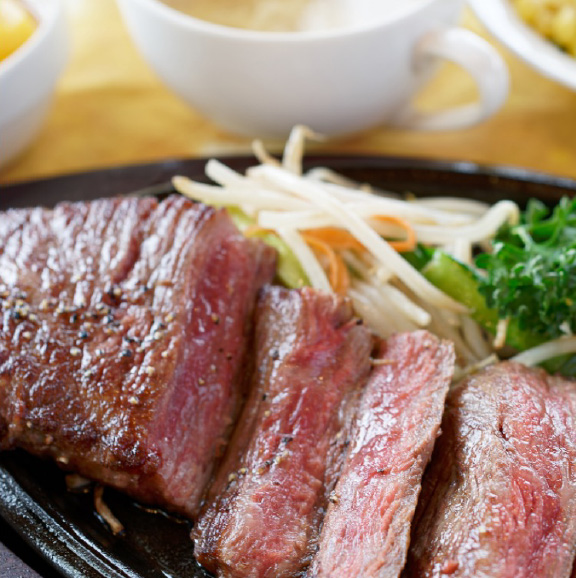
Less Meat Can Be Better Meat
There is a false dichotomy in modern nutrition. Either eat meat constantly or avoid it entirely.
Both positions miss the point.
If you eat meat less frequently but choose meat that is nutrient dense, ethically raised, and metabolically supportive, you improve health while reducing total intake.
This is how traditional cultures operated.
Meat was valued. Not consumed mindlessly. When it was eaten, it mattered.
That approach aligns with modern metabolic science far better than constant grazing.
The Fatty Acid Profile and Brain Health
Fat is not just fuel. It is structural.
Neuronal membranes, myelin sheaths, and synaptic signaling all depend on fatty acid composition. Diets higher in monounsaturated fats and lower in inflammatory omega-6 fats are associated with improved cognitive outcomes.
A review in Frontiers in Aging Neuroscience links dietary fat quality with neuroprotection and reduced cognitive decline (Morris et al., 2018).
Better meat feeds the brain differently.
This is not indulgence. It is strategy.
Protein Quality Beats Protein Quantity
Protein conversations often devolve into numbers. Grams per day. Scoops per shake. More is better.
That thinking ignores bioavailability.
High-quality animal protein contains complete amino acid profiles in ratios the human body recognizes. It also delivers iron, zinc, B12, choline, and fat-soluble vitamins that protein isolates do not.
A paper in Nutrients highlights that animal-based proteins have higher digestibility and amino acid utilization than most plant-based alternatives (Phillips, 2016).
When protein quality increases, protein obsession decreases.
Why Cheap Meat Carries Hidden Costs
Low-cost meat is cheap for a reason.
Animals raised in confined, high-stress environments with unnatural feed accumulate inflammatory fatty acids and often require pharmaceutical interventions to remain productive.
Residues aside, the stress itself changes the biochemistry of the meat.
Stress hormones do not disappear at slaughter.
A study in Journal of Animal Science shows that chronic stress alters muscle composition and oxidative stability in meat (Ponnampalam et al., 2017).
The body recognizes that signal.
This Is Not About Luxury. It Is About Discernment.
Wagyu has been framed as indulgent because we are uncomfortable admitting that food quality matters.
If you eat less meat overall but choose meat that actually nourishes, costs even out. Health outcomes improve. Digestion improves. Satiety improves.
Medical bills cost more than better food.
So does chronic inflammation.
The Carnivore Perspective on Meat Quality
This philosophy is echoed in The Carnivore Lifestyle, which emphasizes that animal foods are most beneficial when they are sourced responsibly, consumed intentionally, and respected for their nutrient density rather than abused as filler calories.
The book makes a clear case. When meat quality improves, quantity naturally self-regulates.
That is not extremism. That is physiology.
Why American-Raised Wagyu Matters
Not all Wagyu is equal either.
American-raised Wagyu sourced responsibly avoids many of the quality control issues associated with mass-imported or diluted crossbreeds. Traceability, animal welfare, and feeding practices matter.
This is about transparency, not labels.
If you are going to eat meat, eat meat that respects both the animal and your biology.
A Better Way Forward
You do not need to eat meat at every meal. I’m personally a fan of skipping meals.
You need to eat meat that actually feeds you.
Fewer meals. Better sourcing. Higher satiety. Lower inflammation.
That is the equation.
And once you experience it, it is difficult to go back.
Where to Find Better Meat
If you are ready to experience the difference that real meat quality makes, you can explore American-raised Wagyu beef from ImmerHealth here:
👉 Here is the literal BEST American-grown Wagyu beef you can get. I personally consume it almost exclusively.
This is meat chosen for nutrient density, fatty acid balance, and integrity. Not speed. Not shortcuts.
Eat less. Eat better. Let your body recalibrate.
Final Thought
Health does not come from moralizing food choices.
It comes from choosing foods that do not require constant compensation.
Better meat reduces noise in the system. Hunger quiets. Energy stabilizes. The body stops negotiating.
Not all meat is equal.
Once you eat better meat, you will not need as much of it.
References
- Smith, S. B. et al. (2006). Wagyu beef fatty acid composition. Meat Science.
- Weigle, D. S. et al. (2005). High protein diets and satiety. American Journal of Clinical Nutrition.
- Phillips, S. M. (2016). Protein quality and human health. Nutrients.
- Morris, M. C. et al. (2018). Dietary fats and brain aging. Frontiers in Aging Neuroscience.
- Ponnampalam, E. N. et al. (2017). Stress and meat quality. Journal of Animal Science.