My herbal crash-rescue protocol
My manager went on a work trip to Hawai’i (rough assignment, I know!). It was a whirlwind trip, however, he flew from the east coast to the island on Sunday and returned on Wednesday. He came into the office on Thursday then was out sick Friday through Wednesday. When he returned, he still sounded terrible. His cough was dry and scratchy.
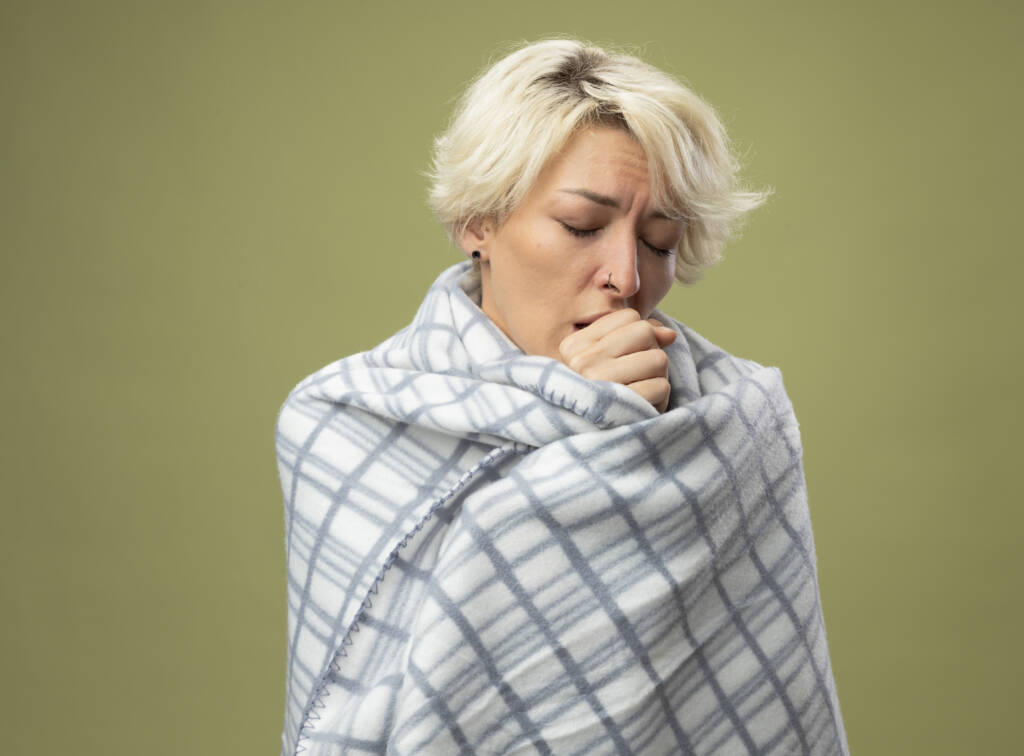
The worst part is that he didn’t cover his mouth when coughing. After multiple hours in a room with him, I increased my herbal regime to prevent. Alas, I woke up this morning with the telltale signs of a cold:
- Headache
- Uncomfortable, scratchy lump in my throat
- Exhaustion
- Runny nose
- Feverish chills, burning up one minute and reaching for a blanket the next
After grumbling about him coming to the office sick and not even attempting to protect the rest of us, I sprung into action. OK, it wasn’t exactly ‘springing’ into action, it was more like playing a movie you’ve watched many times in slow motion.
After 4 hours the scratch lump and headache were almost all gone. Runny nose was down to a trickle. My energy levels were high enough that I started meal prep for the week and sat down to write this blog post. I even had enough energy to scare the pigeon off of my balcony full of my edible plants and herbs.
If you want to learn my herbal crash-rescue protocol that does not require a trip to the pharmacy or doctor, read on!
Caveats and Expectation Setting
Reality check before we begin
Doctors, the CDC, and decades of research agree: there is no proven way to eradicate a common cold virus in 24 hours. Most colds last 7–10 days and resolve on their own. Antibiotics don’t help, and even the best‑studied drugs or herbs shave off only a day or two at best. (CDC)
Why read on, then?
Acting immediately at the first tickle in your throat can 1) keep the viral load low, 2) reduce symptom severity, and 3) shorten the misery—sometimes to a single rough day followed by rapid recovery. Think of the following as an herbal “crash program”: hit the virus hard, support your immune system, and create the conditions your body needs to rebound quickly.
Medical disclaimer
The information below is educational, not medical advice. Consult your healthcare professional—especially if you are pregnant, nursing, immunocompromised, or taking prescription drugs. Stop any herb that causes a rash, digestive upset, or another adverse effect, and seek medical care if you develop a high fever (> 101 °F / 38.3 °C), shortness of breath, facial pain, or symptoms lasting longer than a week.
How This Protocol Works
- Antiviral & immune‑modulating herbs — laboratory and clinical data show that certain botanicals interfere with viral entry or replication and dial down inflammatory symptoms.
- Aggressive timing & dosing — the earlier (ideally within the first 4 hours of symptoms), the more concentrated, and more frequent the dosing (within safe limits), the better the chance of limiting viral replication.
- Synergistic lifestyle hacks — sleep, hydration, humidity, and targeted nutrition make the herbs work harder.
The Core Herbal “Strike Force”
- Green Tea
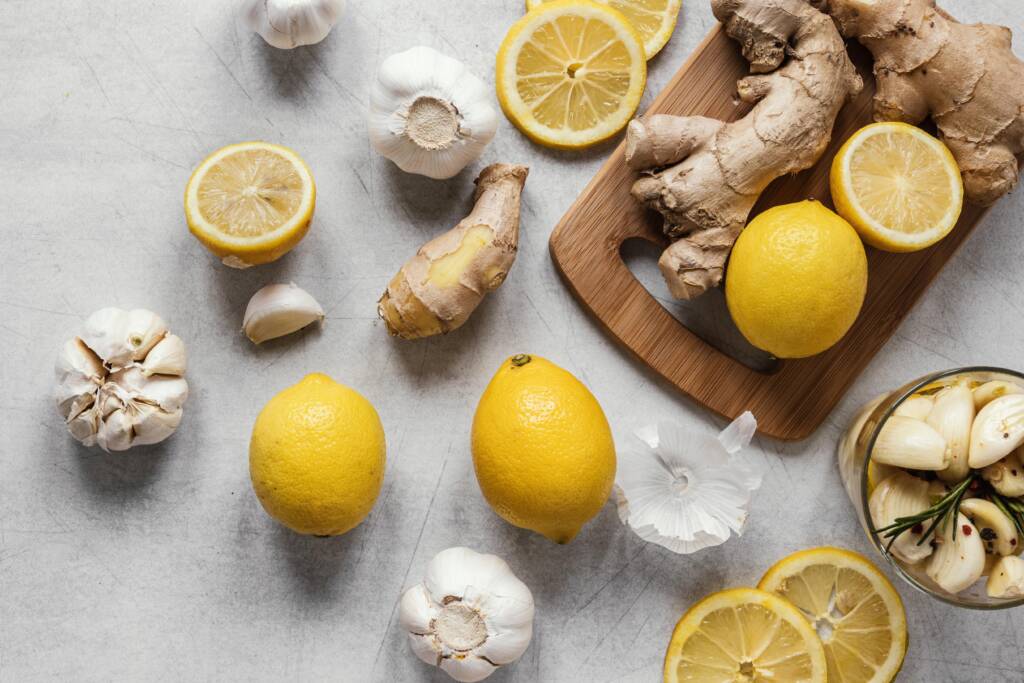
- Lemon
- Propolis extract
- Rosehip seed vitamin C infusion
- Elderberry syrup
- Turmeric
- Zinc oxide powder
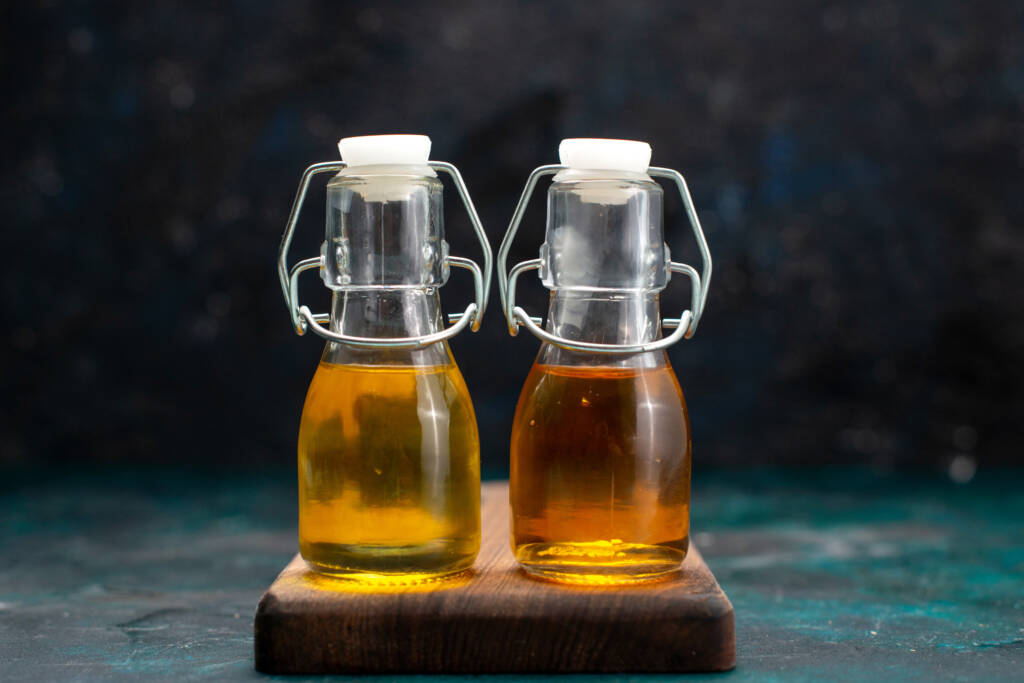
- Oxymel with thyme
- pH 11.5 water (small amounts for the headache)
- pH 8.5 water (large amounts for hydration)
- Kombucha
- Fresh, raw, thinly sliced garlic or ginger (I used garlic this time)
- Sleep
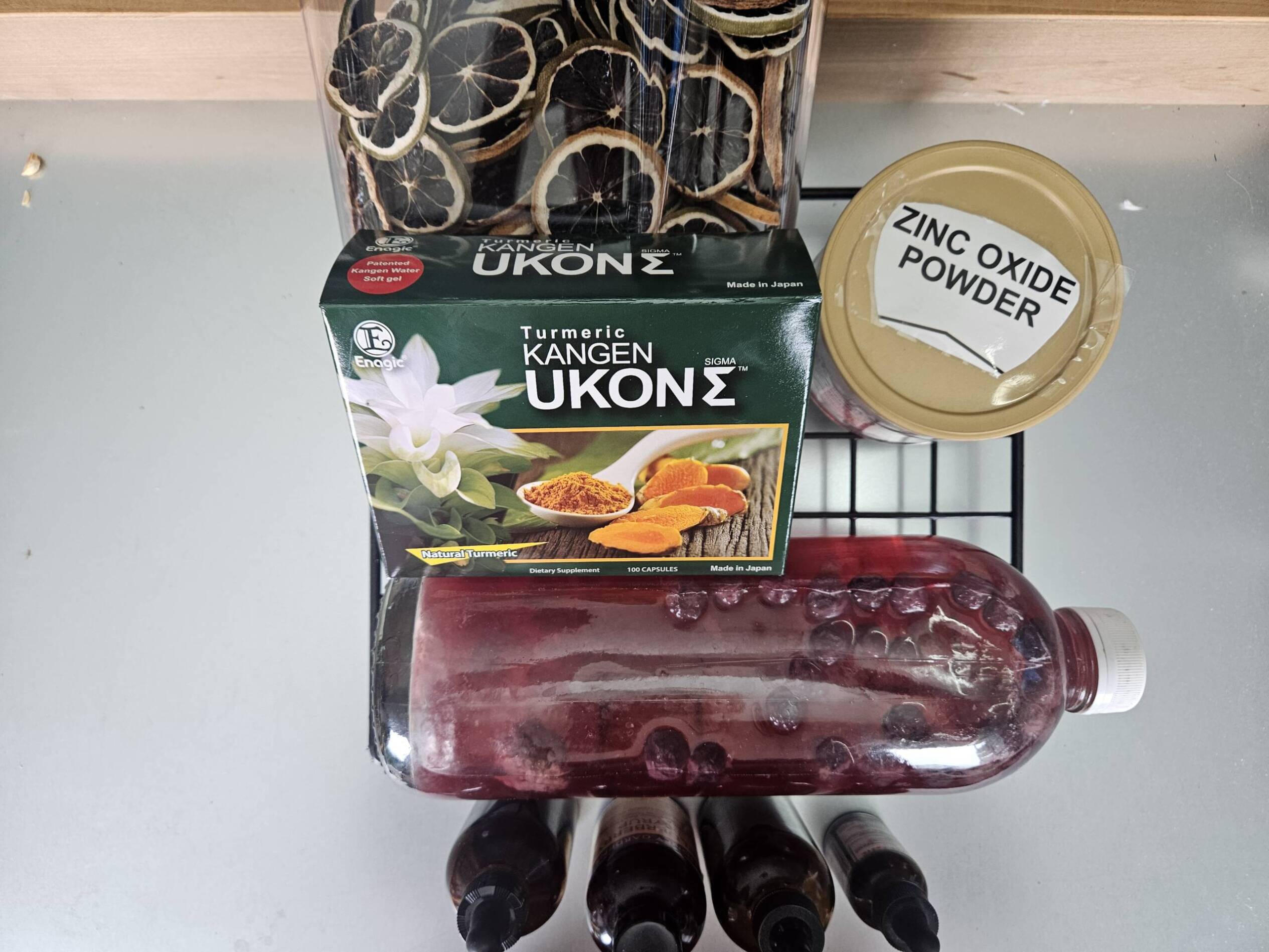
I make everything except for the turmeric and zinc oxide powder about every 6 months to be prepared for any last-minute need. I’ll post recipes for you on the recipe page soon!
The Core Herbal “Strike Force”
Let’s break some of these down. We won’t do all of them here but will post more about each of them in future posts. You should see results even if you only do some of the below. I tend to go a bit overboard and do everything.
1. Elderberry ( Sambucus nigra )
- Evidence: Meta‑analysis of randomized trials shows significant reductions in upper‑respiratory symptom duration and severity. (PubMed, PMC)
- Protocol: 15 mL of a standardized 38 % elderberry glycerite or syrup every 4 hours while awake on Day 1.
- Why it helps: Rich anthocyanins block viral hemagglutinin proteins and up‑regulate cytokines that mobilize natural‑killer cells.
2. Lemon ( Citrus × limon (L.) Osbeck )
- Evidence: Flavonoids concentrated in lemon peel and pulp—show anti‑inflammatory and antiviral activity in cell and animal studies. They appear to modulate key immune pathways (NF‑κB, Nrf2) and improve mucosal barrier integrity. (PMC, PubMed, ScienceDirect)
- Protocol: Half a medium lemon (~30 mL juice) delivers about 45 mg of vitamin C—half the daily requirement for most adults.
- Why it helps: Alkamides trigger CB2‑like receptors, stimulating macrophage activity and interferon signaling.
3. Echinacea ( Echinacea purpurea / angustifolia )
- Evidence: Cochrane review and NCCIH summaries indicate a modest but real reduction in cold duration when started early. (Cochrane, NCCIH)
- Protocol: 300 mg of root or aerial‑part extract every 2 hours (max 8 doses) on Day 1, then taper.
- Why it helps: Alkamides trigger CB2‑like receptors, stimulating macrophage activity and interferon signaling.
4. Fresh Ginger (Zingiber officinale) – hot, antiviral, and circulatory
- Evidence: Cell‑culture studies show fresh ginger inhibits rhinovirus and RSV replication; human trials note symptom relief from its anti‑inflammatory gingerols. (ScienceDirect, PMC)
- Protocol: Grate 10 g (a thumb‑length piece) into boiling water; steep 10 min with a squeeze of lemon and 1 tsp honey. Sip three mugs across the day.
- Why it helps: Increases mucosal blood flow, delivers antioxidants, and the steam hydrates nasal passages.
5. Thyme (Thymus vulgaris) Steamer
- Evidence: Thymol‑rich extracts show broad antiviral action against several RNA viruses, with recent clinical data on COVID‑19 symptom relief pointing to its respiratory benefits. (PMC, ScienceDirect)
- Protocol: 2 g dried herb per cup, covered steep 15 min; drink two cups and use another cup as an inhalation (lean over, towel over head).
- Why it helps: Thymol and carvacrol act as mucolytics and mild bronchodilators; inhaled vapors reach nasal passages directly.
6. Kombucha
- Evidence: Fermented foods rich in live Lactobacillus/Bifidobacterium species have demonstrated antiviral activity against common respiratory viruses in cell and animal models, and clinical trials with yogurt‐based probiotics have lowered influenza‑like symptoms; kombucha delivers the same probiotic genera plus immune‑active polyphenols and organic acids. (PMC, College of Health and Human Sciences, Cleveland Clinic)
- Protocol: For an adult with a cold, sip 4 oz (≈120 mL) of unpasteurised, low‑sugar kombucha 1–3 times per day (the CDC’s safe‑use range) for the first 48 hours, letting it warm to room temperature to avoid throat irritation; stop or reduce if you notice digestive discomfort. (College of Health and Human Sciences)
- Caution: The probiotics boost mucosal IgA and interferon responses; light carbonation makes hydrating easier when congestion blunts thirst. (College of Health and Human Sciences, Cleveland Clinic)
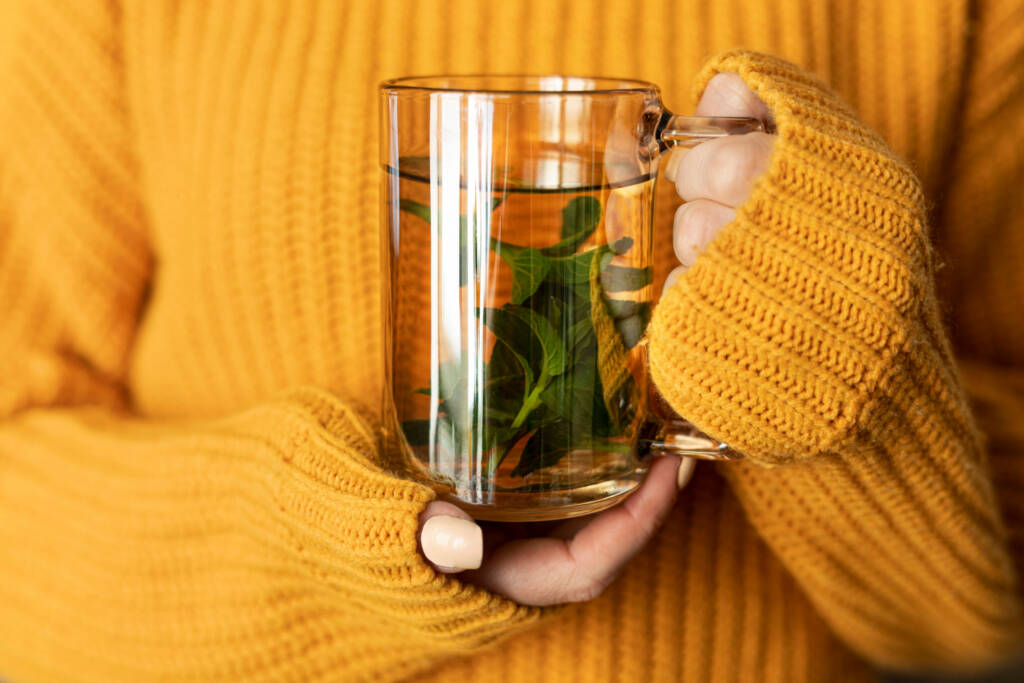
7. Lemon Green Tea
- Evidence: Glycyrrhizin demonstrates broad‑spectrum antiviral activity and synergizes with other antivirals. (PMC, Karger)
- Protocol: 1 cup decoction (5 g root simmered 15 min) twice on Day 1. Tea‑derived polyphenols and acetic acid add antioxidant and mild antimicrobial pressure
- Caution: Avoid if you have high blood pressure, low potassium, or take diuretics or steroids.
8. Propolis
- Evidence: Randomized, double‑blind, placebo‑controlled trials show that standardized propolis extracts shorten the duration and lessen the severity of uncomplicated upper‑respiratory‑tract infections (URTIs). (PubMed, Natural Medicine Journal)
- Protocol: At the first sign of a cold, adults can use 3–4 sprays (≈ 15 mg polyphenols per spray) into the back of the throat five times daily or take 500 mg of a 30 % ethanolic propolis extract in divided doses for up to five days—doses mirrored in the clinical trials. Avoid if you are allergic to bee products, pregnant, or on anticoagulants without medical guidance. (PubMed, Natural Medicine Journal)
- Why It helps: Propolis is rich in flavonoids (chrysin, galangin) and caffeic‑acid phenethyl ester that block viral entry, inhibit neuraminidase activity, and modulate NF‑κB‑driven inflammation; it also boosts interferon signaling and secretory IgA along the gut–lung axis, giving both direct antiviral and immunoregulatory effects.(NIH, NIH, elsevior.es)
A 24‑Hour Tactical Timeline
You should be feeling better after the first couple of hours, but don’t stop there as the virus is still fighting to take over.
| Hour | Action | Purpose |
| 0 (symptom onset) | Double‑dose elderberry & propolis; brew strong green-lemon tea; zinc oxide dissolved in 8.5 water; return to sleep | Rapid antiviral hit; open airways; hydrate mucosa |
| 2 | Echinacea dose; zinc water #1 (500 mL water + ⅛ tsp zinc); Vitamin C extract; sips of 11.5 water for headache | Maintain immune activation, offset dehydration |
| 4 | Elderberry; turmeric dose #1 (pH 8.5 water); chew on ginger; 20‑min nap | Cough relief; sustains flavonoid levels; rest boosts T‑cells |
| 6 | Warm shower or bath with eucalyptus or thyme essential oil steam; gentle neck/shoulder stretches | Loosen mucus; support lymphatic flow |
| 8 | Nutrient‑dense “sick‑day soup”: bone broth, garlic, shiitake, kale; turmeric dose #2; zinc water #2 | Supplies zinc, glutamine, and beta‑glucans; easy to digest |
| 10 | Echinacea repeat; green tea #2; 30‑min sun exposure or bright‑light lamp | Immune modulation; vitamin D synthesis |
| 12 | Elderberry; vitamin C; propolis; power nap | Symptom control; consolidate immune memory |
| 14 | Light walk (if no fever), focused diaphragmatic breathing outdoors; zinc water #3 | Promotes circulation, oxidative burst |
| 16 | Turmeric third dose; green tea #3 | Second antiviral peak; soothe throat |
| 18 | Warm saltwater gargle; magnesium‑rich snack (pumpkin seeds) | Local antiviral; supports sleep quality |
| 20 | Wind‑down: blue‑light cut‑off, chamomile–lemon balm infusion, nasal saline rinse; turmeric dose #3 | Optimize melatonin; decongest; parasympathetic activation |
| 22 | Final elderberry spoon; 8–9 hours of sleep in a cool, humidified room | Consolidate immune response, cellular repair |
Why humidity & sleep matter: Nasal cilia beat best at 40–60 % humidity; eight hours of sleep can double antigen‑specific T‑cell response the next day. (Internal NIH sleep‑immunology data; see general CDC self‑care guidance for colds) (CDC)
Supportive Nutrition & Lifestyle Boosters
- Stay above 2.5 L fluids (water, broths, herbal teas). Adequate hydration thins mucus and keeps lymph moving.
- Avoid added sugar and dairy (for most people dairy thickens secretions), alcohol, and heavy meals that divert energy to digestion.
- Add zinc‑rich foods (pumpkin seeds, oysters, beef) because zinc ions inhibit rhinoviral RNA polymerase.
- Keep the air moist with a cool‑mist humidifier cleaned daily to prevent mold.
- Gentle movement, not intensity. Strenuous exercise (> 60 min high‑intensity) can suppress innate immunity. A 15‑minute walk, however, mobilizes neutrophils.
- Hot and cold therapies: a 15‑minute sauna or hot bath followed by 10 minutes in a cold bath induces a mild fever‑like state that impairs viral replication, provided you’re well‑hydrated and fever‑free.
- Mental reset: ten minutes of diaphragmatic breathing switches the autonomic balance toward parasympathetic, lowering cortisol and enhancing secretory IgA.
- Steam inhalations: spas typically have diffusers or other herbal steam devices in their spaces because they support an overall state of calm that positively impacts your immune system.
Safety Flags & When to Call the Doctor
| Symptom or Situation | Why You Should Seek Professional Care |
| Fever > 101 °F (38.3 °C) lasting > 48 h | Possible flu, COVID‑19, sinusitis, or bacterial complication |
| Shortness of breath, chest pain | Could indicate pneumonia or asthma exacerbation |
| Severe sinus pain, ear pain | May signal bacterial sinusitis or otitis media |
| Cold lasting > 7 days without improvement | Rule out secondary infection |
| Pregnancy or serious chronic illness | Need an individualized risk assessment |
| Children < 1 year old (licorice, honey contraindications) | Pediatric dosage and safety differ |
Putting It All Together
Can you guarantee you’ll “cure” your cold in one day by following this plan? No—biology doesn’t issue guarantees. But catching the virus early and deploying high‑evidence botanicals in coordinated, frequent dosing stacks the odds in your favor. Many people report waking up on Day 2 feeling 70‑90 % better: congestion eased, throat no longer raw, energy on the rebound. Even if you merely shorten your cold by a couple of days and avoid a miserable hacking cough, the payoff is substantial.
Traditional herbalism has always emphasized timing, dosage, and synergy. Modern research is finally unpacking why elderberry’s anthocyanins, andrographis’s diterpenes, thyme’s thymol, and licorice’s glycyrrhizin pack such an antiviral punch. By blending this ancestral wisdom with current evidence—and by honoring the basics of rest, hydration, and nutrient‑dense food—you give your immune system every chance to win, fast.
So the next time that telltale scratch announces a viral invasion, don’t watch and wait. Strike hard, strike early, and let nature’s pharmacy help you reclaim your week.