A thriving garden does not begin in spring. It begins months earlier with preparation, thoughtful planning, and respect for how plants actually grow. Long before the soil warms, the most successful gardeners are already building momentum through seed starting.
Starting plants from seed is one of the oldest agricultural practices we have. It predates garden centers, plastic trays, and fertilizer marketing. Farmers and home growers alike have always known that if you want strong plants, you start at the beginning. You control the conditions. You build the soil. You choose timing over convenience.
Modern research continues to validate what traditional growers have practiced for generations. Seeds that are started intentionally, in healthy soil, under stable conditions, consistently outperform plants that are rushed, stressed, or outsourced to unknown growing environments.
This guide brings together time tested gardening wisdom with current research to help you give your garden a genuine head start, not just a cosmetic one.
Why Seed Starting Still Matters
Starting from seed allows you to guide a plant through its most vulnerable stage of life. Germination and early growth determine root strength, disease resistance, and long term productivity.
According to research published in Horticultural Reviews, seedlings that experience stable early conditions show improved root architecture and nutrient uptake throughout the growing season (Grossnickle, 2012). Strong roots early on mean less stress later, better drought tolerance, and higher yields.
Seed starting also gives you access to varieties bred for flavor, nutrition, and resilience rather than shipping durability. Many commercially grown transplants are selected to survive transport, not to nourish people.
When you start from seed, you choose plants that align with your soil, your climate, and your goals.
Soil Comes First Every Time
Healthy seeds require living soil. Without it, no amount of light or watering will compensate.
Soil is not just a medium that holds roots. It is a biological system made up of minerals, microbes, fungi, organic matter, and water. When this system is supported, seedlings establish faster and grow more efficiently.
A study by the USDA Natural Resources Conservation Service found that soils with higher organic matter content improve water retention by up to 20 percent while increasing nutrient availability to plants (USDA NRCS, 2020).
This is why seed starting should never be separated from soil preparation.
Building Better Seed Starting Soil
A proper seed starting mix should be light, well drained, and nutrient balanced. Heavy garden soil compacts too easily and restricts oxygen flow to developing roots.
Incorporating small amounts of finished compost or vermicompost introduces beneficial microbes that support early growth. Research published in Applied Soil Ecology shows that microbial rich soils improve seedling vigor and reduce disease pressure (Beneduzi et al., 2012).
At ImmerHealth, we encourage gardeners to look beyond store bought inputs and toward what they already have. Kitchen scraps are one of the most underused soil building resources available.
Our article “How to Use Kitchen Scraps to Prepare Your Soil for Winter and Spring Crops” and “Unearthing the Secrets of the Soil-Food Web” outlines how materials like coffee grounds, vegetable peels, eggshells, and nut shells can be transformed into slow release fertility. When composted properly, these scraps enrich soil structure and mineral content long before seeds ever touch the surface.
Healthy soil is built ahead of time. Seeds simply activate what is already there.
Timing Is a Biological Signal
Plants respond to time as much as they respond to temperature and light. Starting seeds too early often leads to weak, leggy plants. Starting too late reduces yields and shortens the harvest window.
The most reliable approach is to work backward from your local last frost date. Agricultural extensions provide region specific planting calendars that are based on decades of climate data.
Research published in Scientia Horticulturae confirms that transplanting seedlings at their optimal developmental stage improves establishment success and fruit production compared to seedlings held too long indoors (Li et al., 2021).
General Seed Starting Windows
- Tomatoes and peppers thrive when started 6 to 10 weeks before the last frost.
- Brassicas like broccoli and cabbage do well at 4 to 6 weeks.
- Leafy greens can be started 3 to 4 weeks before or direct sown once soil warms.
- Herbs vary, but most benefit from 4 to 6 weeks indoors.
- Cucurbits such as squash and melons should only be started 2 to 3 weeks early to avoid root stress.
These windows exist for a reason. Plants that grow in sync with seasonal cues require less intervention and perform better long term.
Light Is Not Optional
Insufficient light is the most common mistake home gardeners make when starting seeds indoors.
Windows rarely provide enough intensity or duration, especially in late winter. Without adequate light, seedlings stretch toward the source and develop weak stems.
Studies on indoor seedling production show that full spectrum LED lighting improves chlorophyll development, stem thickness, and overall plant architecture when compared to ambient light alone (Olle and Viršile, 2013).
Seedlings typically require 14 to 16 hours of bright light per day. Lights should be positioned close enough to maintain compact growth without overheating the plants.
Good lighting mimics early spring conditions. It signals to the plant that it is safe to grow steadily rather than desperately.
Temperature and Moisture Set the Pace
Most seeds germinate best between 65 and 75 degrees Fahrenheit. Soil temperature matters more than air temperature during germination. Heat mats can be useful for warm season crops, especially in cooler homes.
Watering should be consistent and gentle. Overwatering suffocates roots. Underwatering interrupts germination.
Plants typically prefer slightly acidic water, somewhere around 5.0, although it varies. You can get a medical-grade water ionizer that will both filter your water and create the pH of your choice.
Bottom watering encourages deeper root growth and reduces the risk of damping off, a fungal disease that thrives in overly wet conditions. Research in Plant Disease highlights that proper moisture management significantly reduces seedling mortality (Lamichhane et al., 2017).
Balance is the goal. Seeds want stability, not extremes.
Hardening Off Builds Resilience
Seedlings raised indoors must be gradually introduced to outdoor conditions. Wind, temperature shifts, and direct sunlight are stressors that plants need time to adapt to.
A study conducted by Rutgers University found that seedlings exposed gradually to outdoor environments developed thicker stems and improved water regulation compared to those transplanted abruptly (Rutgers NJAES, 2018).
Hardening off should take about a week. Increase outdoor exposure incrementally. This process prepares plants physiologically for life in the garden.
Skipping this step often leads to transplant shock, stunted growth, or plant failure.
Transplanting With Intention
Transplant day is not a race. It is the culmination of weeks of preparation.
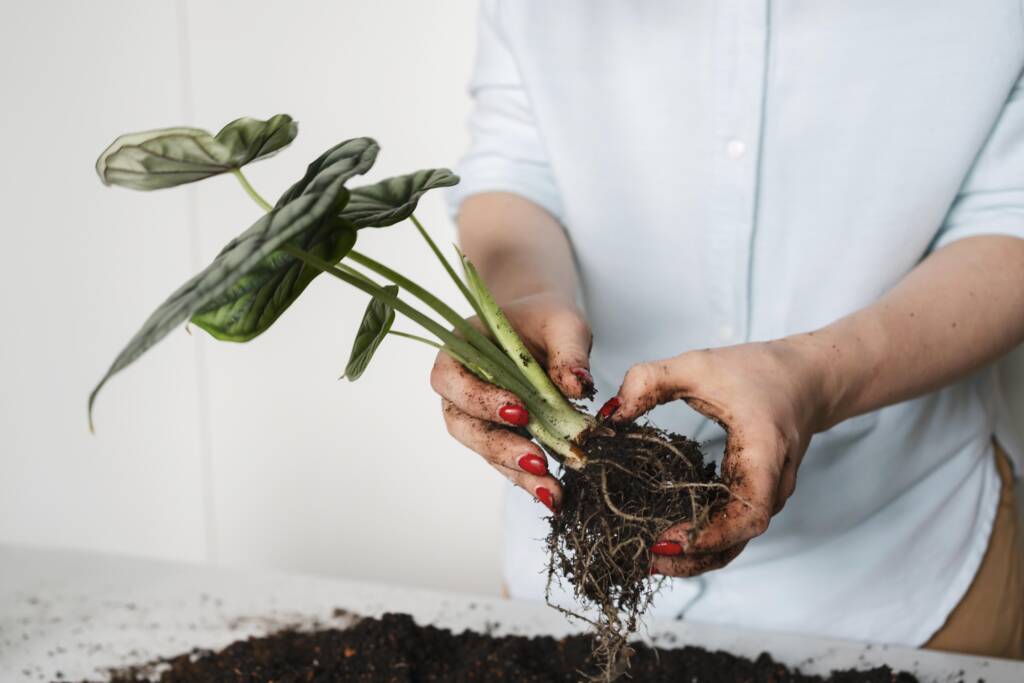
Water seedlings lightly before transplanting to reduce stress. Handle plants by their leaves rather than stems whenever possible. Plant at the correct depth and firm soil gently around the roots.
Mulching after transplanting stabilizes soil temperature and reduces moisture loss. Organic mulches like shredded leaves or straw also feed soil microbes as they break down.
According to the University of Minnesota Extension, mulched transplants establish faster and require less supplemental watering during early growth stages (University of Minnesota Extension, 2022).
The Bigger Picture of Garden Health
Seed starting is not a standalone task. It is part of a larger system that includes soil health, seasonal planning, and long term resilience.
Gardens that rely on living soil require fewer inputs over time. They resist pests more effectively. They recover faster from stress.
This is why soil preparation using composted kitchen scraps, leaf litter, and organic matter matters months before planting. These materials build the foundation that seeds depend on.
When you work with nature instead of against it, gardening becomes simpler, not harder.
Take the Next Step Toward a Productive Landscape
If seed starting has shown you what is possible, the next logical step is designing a landscape that feeds you year after year.
Practical Edible Landscaping: How to Foodscape for a Healthier You is a comprehensive guide to integrating food production into your everyday surroundings without sacrificing beauty or balance.
You can find it here:
https://www.amazon.com/Practical-Edible-Landscaping-Foodscape-Healthier-ebook/dp/B0FR17L4CB/ref=sr_1_3
This book bridges the gap between gardening knowledge and real world application. It helps you move from isolated garden beds to a system that supports health, nourishment, and resilience.
Final Thoughts
Seed starting is one of the most empowering skills a gardener can develop. It teaches patience, observation, and respect for natural timing.
Strong gardens are not built on shortcuts. They are built on preparation, soil health, and steady care. When you invest early, the entire growing season becomes easier and more productive.
The garden rewards consistency. Start well, and everything that follows becomes stronger.