


A deeper look at rising trends, eye health concerns, and how to protect your daily ritual
Welcome to Day 4 of our 5 day coffee series at ImmerHealth. This week has been dedicated to exploring the many sides of coffee, from wellness trends to cultural rituals to long term health. In case you missed the earlier entries:
- Day 1: Protein Coffee vs Mushroom Coffee
https://immerhealth.co/protein-coffee-vs-mushroom-coffee/ - Day 2: Coffee Culture, Community and the Ritual That Brings Us Together
https://immerhealth.co/coffee-culture-community-and-the-ritual-that-brings-us-together/ - Day 3: What Your Coffee Habit Really Means for Your Health
https://immerhealth.co/what-your-coffee-habit-really-means-for-your-health/
Each post has explored an important part of why coffee matters not only as a drink but as a tradition that continues to evolve without losing its roots.
Today we shift toward a trend that has surprised many experts. Instant coffee is rising in popularity again among young adults. This might appear to be nothing more than convenience meeting nostalgia, but recent research suggests there may be important health considerations to acknowledge, particularly for long term vision.
The attached article from Fox News reports that instant coffee consumption is increasing among younger drinkers and that a new study links heavy instant coffee intake to a higher risk of age related macular degeneration, also known as AMD. This blog breaks down that story, examines additional research, and gives you practical, grounded strategies for protecting your health while still enjoying the coffee ritual that anchors your day.
Instant Coffee Is Back
Why younger drinkers are reaching for a retro staple
Page 1 of the attached article notes that instant coffee is experiencing a revival among younger audiences. Brands like Black Rifle Coffee and other heritage style companies have leaned into branding that highlights convenience, nostalgia, and affordability. At the same time, social media has embraced instant coffee as a throwback trend. This mirrors earlier trends like Dalgona coffee, which became viral during the early pandemic years.
The article mentions a Nielsen report showing that instant coffee now represents nearly 20 percent of the packaged coffee market in the United States. This growth is significant because previous coffee trends leaned heavily toward specialty craft brewing, cold brew, and functional blends rather than instant products.
Why the shift?
- Cost of living pressures make instant coffee an accessible option.
- Busy schedules prompt younger generations to choose convenience over technique.
- Nostalgia plays a role, especially as retro consumer behavior trends upward across food, entertainment, and fashion.
- Marketing has become smarter and more playful, leaning into heritage style packaging and veteran inspired brands.
Yet while instant coffee checks many boxes for convenience and affordability, it comes with a new spotlight on potential risks.

The Newly Reported Link Between Instant Coffee and AMD
What the Fox News report revealed
Pages 2 to 4 of the attached article discuss a recent scientific study suggesting that instant coffee consumption may increase the risk of age related macular degeneration. AMD is the leading cause of vision loss among adults over 60, affecting the macula, which controls sharp, central vision.
The article cites findings from Ruibel University of Medicine and Tae Hospital in China. Their study used genetic correlation techniques to examine whether instant coffee consumption might influence eye health. The researchers found a notable correlation between instant coffee intake and AMD, a pattern not observed with brewed or decaffeinated coffee.
The optometrist interviewed in the article, Dr. James DeB Russo, explains that the industrial dehydration process used to make instant coffee may create harmful compounds that contribute to inflammation and oxidative stress in the retina. This could theoretically elevate the risk of AMD for high volume instant coffee drinkers.
The article clarifies that the findings show correlation rather than definitive proof. Still, as Dr. Russo says on page 4, “the magnitude of the risk warrants attention.”
What Science Already Knows About Instant Coffee Processing
How the manufacturing process may create unwanted compounds
Instant coffee is produced through either spray drying or freeze drying. Spray drying is more common because it is faster and less expensive. Unfortunately, this method involves high temperatures that can produce compounds such as:
- Acrylamide, a chemical formed in carbohydrate rich foods at high heat. The International Agency for Research on Cancer has classified acrylamide as a probable carcinogen.
- Advanced glycation end products, which are linked to oxidative stress and cellular damage.
- Flavor altering oxidation compounds, which reduce antioxidant content.
Research published in Food and Chemical Toxicology and the Journal of Agricultural and Food Chemistry has repeatedly found higher levels of acrylamide and lower levels of chlorogenic acids in instant coffee compared to brewed coffee.
Chlorogenic acids are beneficial antioxidants that support cellular repair and help lower oxidative stress throughout the body, including the eyes.
The issue is not instant coffee itself but the combination of:
- Lower antioxidant density
- Higher formation of heat related compounds
- Frequent consumption over many years
For most people, occasional instant coffee is harmless. Heavy daily intake is where questions begin.
Understanding AMD
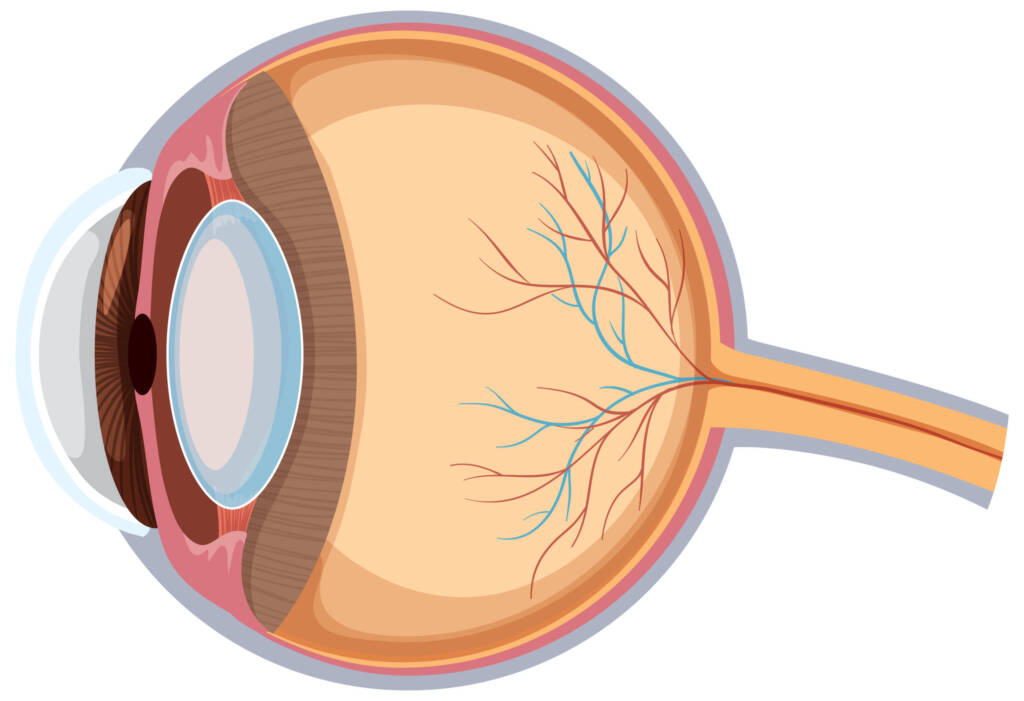
Why vision health deserves early attention
Age related macular degeneration affects more than 11 million people in the United States, a number projected to double by 2050 according to the BrightFocus Foundation. AMD deteriorates the macula, which controls clarity and precision in vision. This affects reading, driving, facial recognition, and the ability to see fine details.
Key risk factors include:
- Age
- Family history
- Smoking
- Chronic inflammation
- High oxidative stress
- Poor diet
- Uncontrolled light exposure
The cited article includes expert commentary explaining that chemicals created during high heat processing may influence inflammatory pathways in the retina. As Dr. Russo explains on page 4, individuals with a family history of eye conditions or chronic inflammation should be particularly cautious.
What Young Coffee Drinkers Should Know
Instant coffee’s rise is not inherently dangerous, but awareness matters
One detail from page 2 of the article stands out. The research notes that only 15 percent of Americans report drinking instant coffee regularly, but among younger adults, that number is rising fast. Younger generations may not yet be thinking about long term eye health, which is exactly why this topic deserves attention now rather than later.
If younger adults are shifting toward instant coffee while unaware of these potential risks, small habits could accumulate into long term consequences.
The lesson is not “instant coffee is bad.”
The lesson is “your daily rituals shape your long term wellness.”
That has been the foundation of this entire five day series.
So What Should You Drink Instead?
Practical steps for preserving vision while keeping your ritual
Here is a grounded, simple, forward looking approach that aligns with the ImmerHealth philosophy.
1. Switch to brewed coffee when possible
Brewed coffee typically contains higher antioxidants and fewer processing byproducts.
2. Choose freeze dried instant coffee if convenience is essential
Freeze drying avoids the extreme heat of spray drying and preserves more beneficial compounds.
3. Protect your eye health through nutrition
Foods rich in lutein and zeaxanthin support macular health. These include:
- Egg yolks
- Spinach
- Kale
- Collard greens
- Pistachios
- Salmon
- Sardines
Omega 3 rich foods are especially protective.
4. Use blue light protection during screen time
Digital eye strain worsens oxidative stress in the retina.
5. Get annual eye exams starting in early adulthood
Early detection is one of the strongest predictors of positive outcomes.
6. Make hydration and water quality a priority
Water quality influences inflammatory markers and affects the extraction of antioxidants in brewed coffee. This brings us to a critical but often overlooked factor.
Why Your Coffee Is Only as Good as Your Water
The quiet foundation of a healthier ritual
Coffee is more than 90 percent water. Whatever is in your water becomes part of the beverage you drink every day.
Municipal tap water often contains:
- Chlorine
- Chloramine
- Fluoride
- Heavy metals
- Microplastics
- Sediment
- Agricultural runoff
These compounds alter flavor, reduce antioxidant potency, and add unnecessary strain to the body. The Specialty Coffee Association actually publishes water standards for optimal brewing, which most homes do not meet without a filtration system.
If coffee is part of your daily life, then the water you brew it with has a direct impact on your long term health.
This is why we recommend using a high quality water treatment system right at your tap. It filters harmful contaminants while preserving beneficial minerals that improve both flavor and extraction.
Final Thoughts
Coffee culture is evolving, but your health should always stay at the center
As instant coffee enjoys its nostalgic revival, it is important to understand both the joy and the risks of the choices we make. Coffee is more than a beverage. It is a ritual, a cultural anchor, and often the first quiet moment of the day.
Day 4 of our series highlights a simple truth. You do not need to abandon instant coffee entirely, but you do deserve transparency about what goes into your body and how daily habits influence long term wellness.
If you love coffee, protect the ritual by elevating the quality of the ingredients involved.
And that starts with the water coming straight out of your sink.
Explore high quality water treatment systems that support better brewing and healthier drinking:
https://immerhealth.co/product-category/water-treatment-systems/


