What if you don’t need a forest to feel better?
Not a cabin.
Not a retreat.
Not a weekend off-grid.
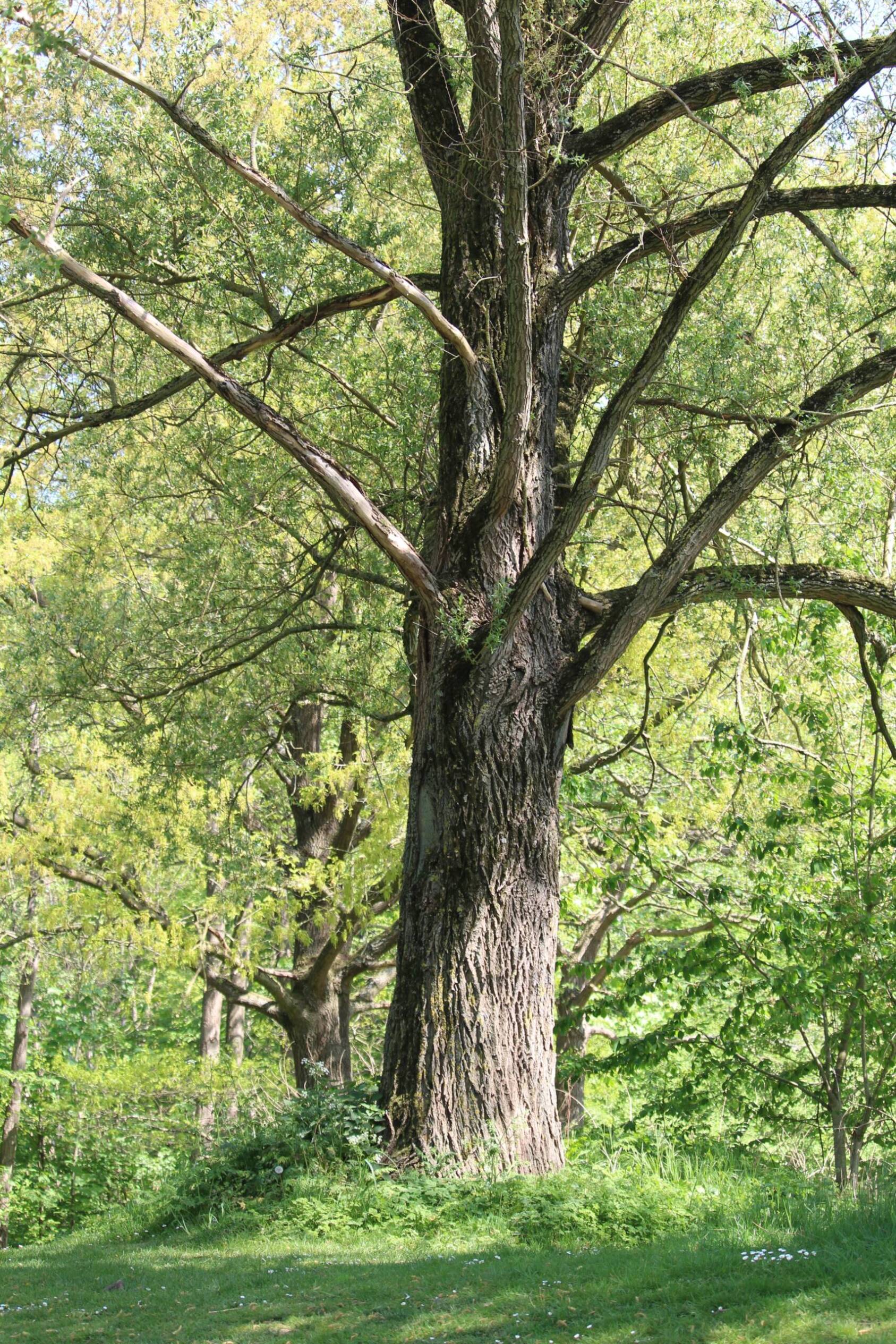
Just a tree. A patch of grass. A quiet moment outside.
That’s the idea behind forest bathing. And despite the name, it has very little to do with forests alone.
The practice, known as shinrin-yoku, began in Japan as a structured way to reconnect people with nature and reduce stress. Over time, it became clear that the benefits weren’t tied to remote wilderness. They were tied to attention, presence, and sensory awareness.
Even in a city.
As one experience described, forest bathing is not just going outside. It is a deliberate, mindful engagement with your surroundings that shifts how your body responds to stress .
And that shift is where the real value is.
What Forest Bathing Actually Does to Your Body 🧠
Let’s take this out of the abstract and into physiology.
Forest bathing influences your nervous system.
When done properly, it helps activate the parasympathetic system. That is your rest and digest mode. The one most people rarely access anymore.
Research published in Environmental Health and Preventive Medicine found that spending time in forest environments significantly lowers cortisol levels, reduces blood pressure, and improves heart rate variability (Park et al., 2010).
Another study in Frontiers in Psychology showed that nature exposure improves mood and reduces symptoms of anxiety and depression (Bratman et al., 2015).
This is not just about feeling calm.
It is about shifting your entire biological state.
Why This Matters More Than Ever 🌍
Modern life is loud.
You are dealing with:
- Screens all day
- Artificial light
- Constant stimulation
- Minimal time outdoors
Your nervous system never fully powers down.
That leads to:
- Chronic stress
- Fatigue
- Poor sleep
- Reduced mental clarity
This is why practices like forest bathing are coming back.
Not as trends.
As corrections.
👉 If this resonates, start here: Why Silence is a Health Necessity
Because silence and nature are deeply connected.
So… Can You Actually Forest Bathe in a City? 🌳
Yes. But not the way most people think.
The biggest takeaway from real-world experiences is this:
👉 It is not about where you are. It is about how you engage.
Even in an urban setting, intentional interaction with nature can shift your experience.
One account showed that by simply focusing on sensory details like smells, textures, and movement, a city park became a space for genuine reset. The key difference was intention, not location .
You do not need acres of forest.
You need attention.
What You’re Missing When You Rush Through Nature 🍃
Most people walk outside without ever being there.
Phone in hand.
Mind somewhere else.
Forest bathing flips that.
It invites you to notice:
- The smell of leaves
- The sound of wind
- The texture of bark
- The movement of light
These small sensory inputs have measurable effects on your brain.
They reduce activity in the default mode network, which is associated with rumination and overthinking (Bratman et al., 2015).
In simple terms:
👉 You stop looping.
👉 You start experiencing.
The Role of the Body: Not Just the Mind 🌿
This is not just mental.
It is physical.
When you slow down in nature:
- Your breathing deepens
- Your muscles relax
- Your heart rate stabilizes
Even touching natural elements matters.
In one observation, direct interaction with natural textures like soil, plants, and stones helped deepen the experience and shift stress levels .
This aligns with research on grounding and sensory input, which suggests physical contact with natural environments can influence stress markers and inflammation (Chevalier et al., Journal of Environmental and Public Health, 2012).
Why Nature Works So Well 🌱
Nature provides something modern environments do not:
👉 Low-stimulation complexity.
It is not boring.
But it is not overwhelming either.
This balance allows your brain to:
- Recover from overstimulation
- Process information more efficiently
- Reset attention
Studies in Attention, Perception, & Psychophysics show that natural environments restore cognitive function more effectively than urban ones (Berman et al., 2008).
A Realistic Way to Practice Forest Bathing Anywhere 🌿
Let’s keep this practical.
You do not need to overcomplicate this.
Step 1: Choose a Natural Space
- Park
- Garden
- Tree-lined street
- Backyard
It does not need to be perfect.
Step 2: Slow Down
This is where most people struggle.
Walk slower than usual.
Sit if you can.
Pause.
Step 3: Engage Your Senses 👀
Focus on:
- What you see
- What you hear
- What you smell
- What you feel
Not all at once. One at a time.
Step 4: Stay Longer Than Feels Comfortable
Give it:
- 10 minutes minimum
- 20 to 30 minutes if possible
The shift takes time.
Step 5: Leave Your Phone Behind (or Ignore It)
This is non-negotiable.
The Link Between Nature and Long-Term Health 🧠
Forest bathing is not just about stress.
It connects to:
- Immune function
- Cardiovascular health
- Mental resilience
Studies show that phytoncides, natural compounds released by trees, may enhance immune activity, including natural killer cell function (Li, International Journal of Immunopathology and Pharmacology, 2010).
That is a big deal.
Your environment is shaping your biology.
How This Fits Into the Bigger Picture
At ImmerHealth, we come back to the same idea:
👉 Your inputs determine your outcomes.
Nature is an input.
Just like:
- Food
- Water
- Movement
If you are working on your health, this is not separate.
It is foundational.
👉 Pair this with: Brain Longevity Blueprint
👉 And this: Water Quality Matters for Your Health
Because your nervous system, hydration, and nutrition all work together.
Make It Enjoyable ☀️
This is where people either stick with it or quit.
Do not treat this like a task.
Make it something you look forward to.
- Morning sunlight walks
- Evening wind-down outside
- Weekend time in a park
This is not about discipline alone.
It is about building a rhythm.
A Simple Weekly Reset Routine 🔁
Try this:
3x per week
- 20 minutes outside
- No phone
- Focus on senses
1x per week
- Longer session
- Park, garden, or nature trail
Consistency beats intensity.
Why This Works (Without Overcomplicating It)
You are:
✔ Reducing stress
✔ Improving focus
✔ Supporting your nervous system
✔ Creating space for recovery
All without adding complexity.
Final Thoughts
You do not need to escape your life to feel better.
You need to engage with it differently.
Nature is available.
Even in a city.
And when you learn how to use it, it becomes one of the most powerful tools you have.
Your Next Step
Start small.
Step outside.
Slow down.
Pay attention.
Then build from there.
👉 If you want a structured approach to building resilience across your brain, body, and environment:
Pair this with: Brain Longevity Blueprint
Because real health is not built in extremes.
It is built in small, consistent, intentional choices.
References
- Park BJ et al. 2010. Environmental Health and Preventive Medicine
- Bratman GN et al. 2015. Frontiers in Psychology
- Berman MG et al. 2008. Attention, Perception, & Psychophysics
- Li Q. 2010. International Journal of Immunopathology and Pharmacology
- Chevalier G et al. 2012. Journal of Environmental and Public Health